Some properties arrive in new hands set up exactly the way the new owners want, with nothing to do but settle in and be ready to resume regular business. Others arrive in new hands with a whisper of possibilities and a promise of a lot of hard work. Montrose is the latter, but in the hands of Todd and Angel Hatfield, the future of this 12,000 ha grazing property is looking bright.
Located around 135 km north of Rockhampton, Montrose is being transformed from set stocked to the thriving rotational grazing operation of their dreams. The change is the result of Todd and Angel’s hard work, supported by FBA through the Queensland Government’s Grazing Resilience and Sustainable Solutions (GRASS) program.
Todd’s parents have been in the Wagyu industry for over 30 years and their success has allowed them to purchase additional properties like Montrose to expand their family run operation. Todd and Angel previously ran a contract fencing and mustering business together that took them across Australia but with the addition of their two, soon to be three children, Montrose came at the perfect time to plant some roots.
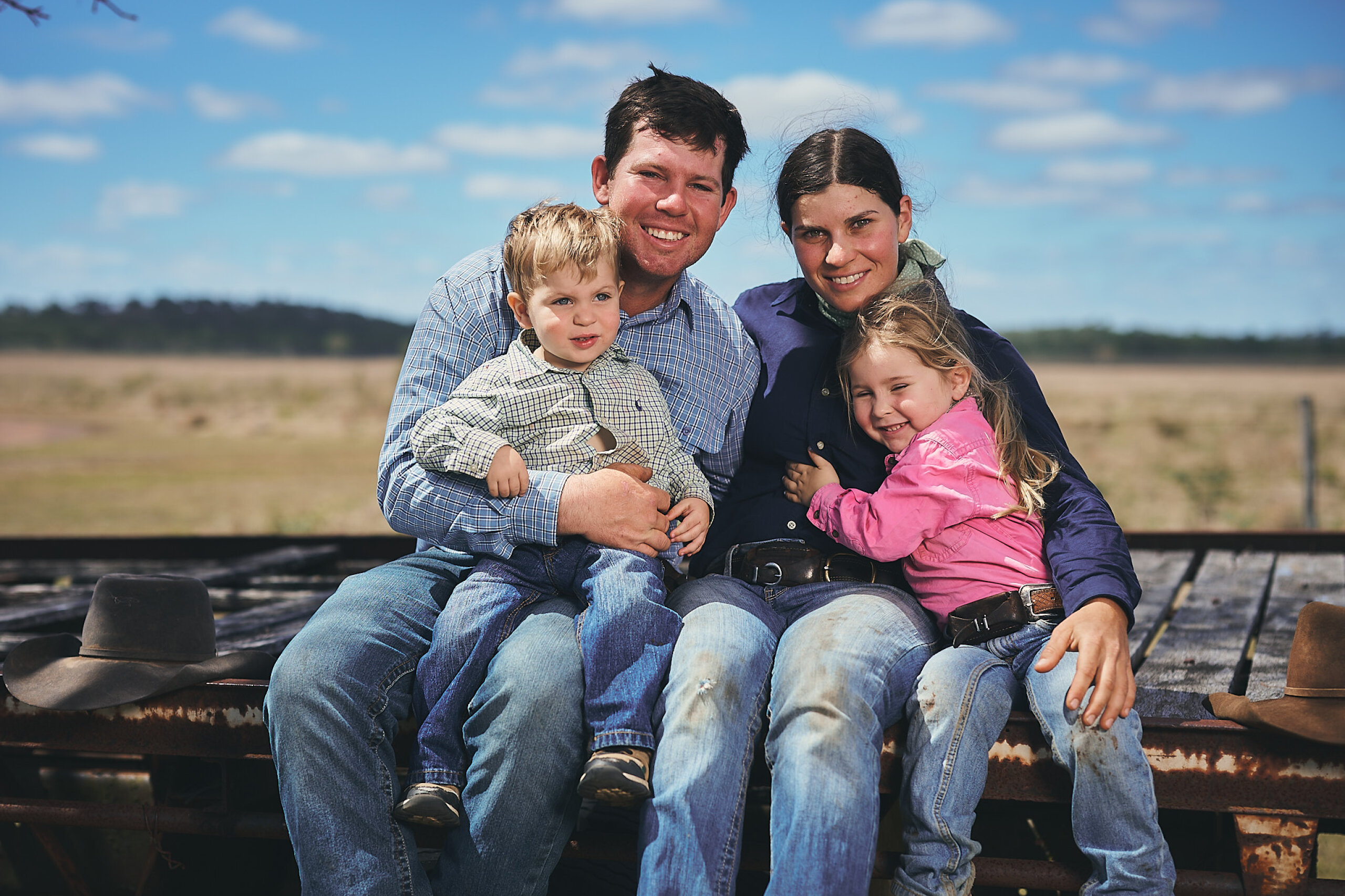
The Hatfield Family on their property Montrose
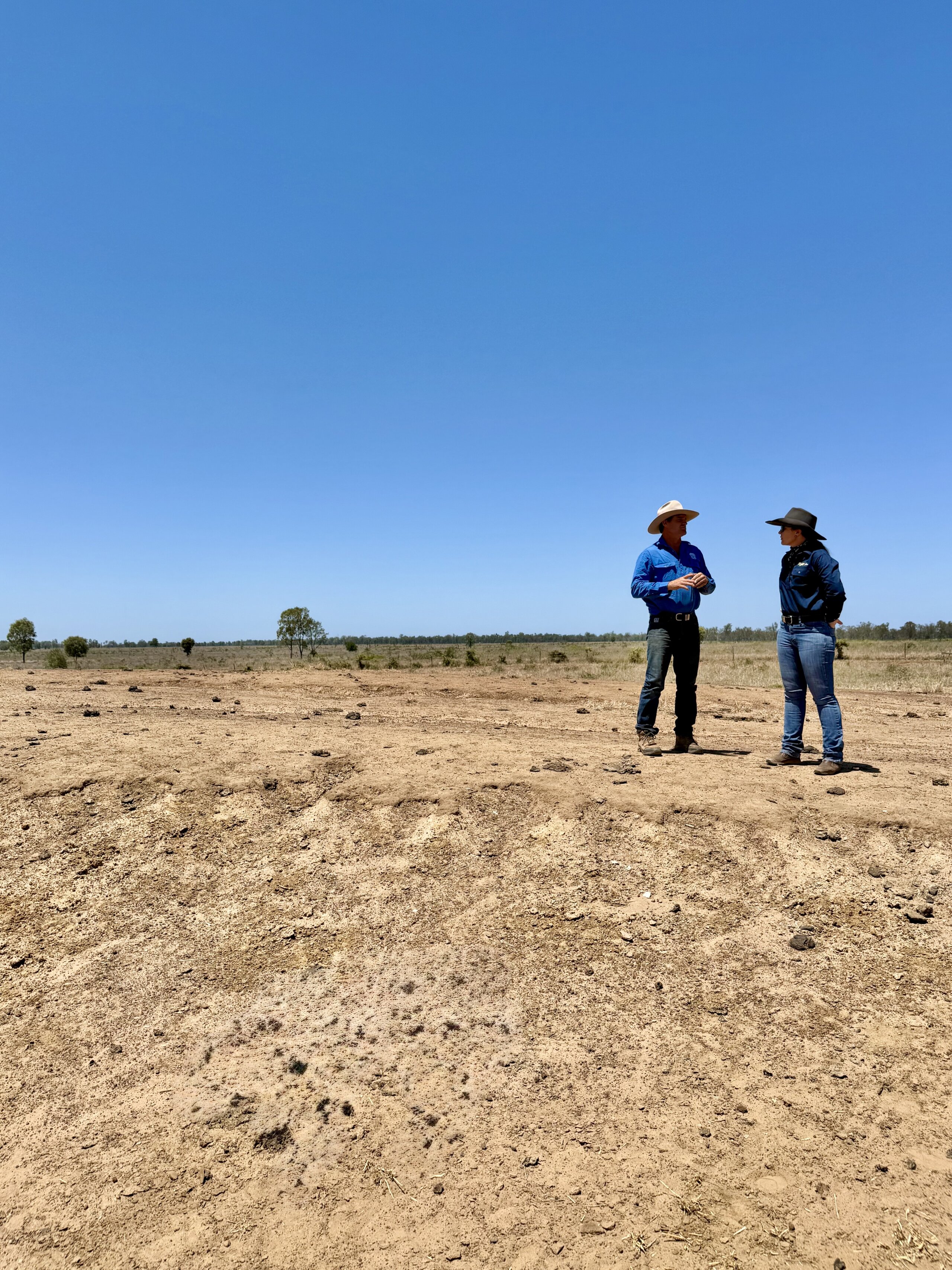
While a blessing of opportunity, the property itself was a long way off what they had in mind for their management plan. It had limited infrastructure and low ground coverage.
“This property needed a lot of work to set it up in a way that suited our management style and we didn’t have enough funds to cover it all alone without overextending ourselves,” said Angel.
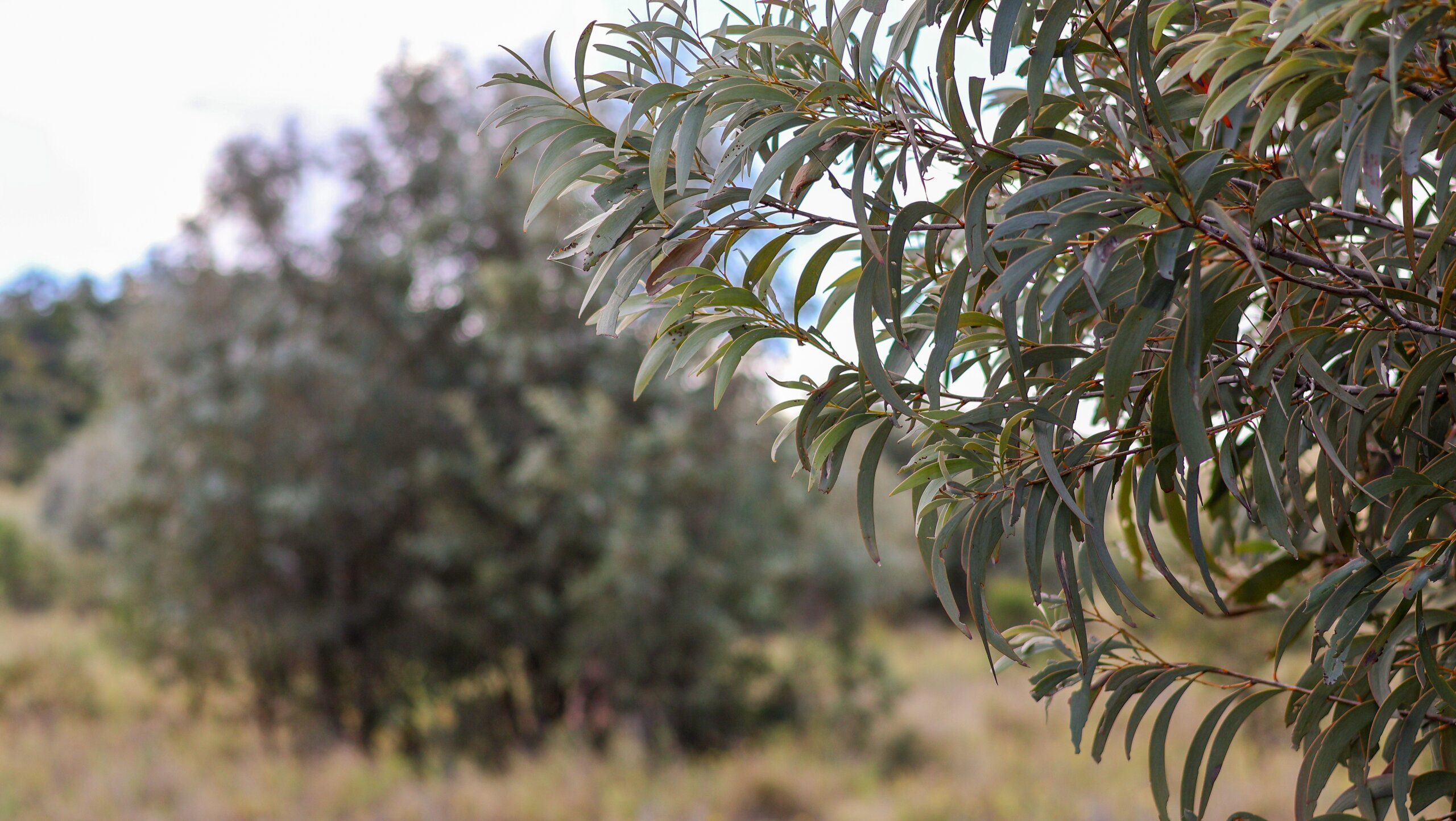
“We had neighbours and other locals say we wouldn’t see the black spear grass come back for three or four years,” added Todd. “Before we came here, we had heard about FBA through friends who had done a project, and we also had done some contract fencing that was a part of another FBA project. So, when we moved here and saw the property and lack of infrastructure, I got in contact with FBA straight away,” said Angel.
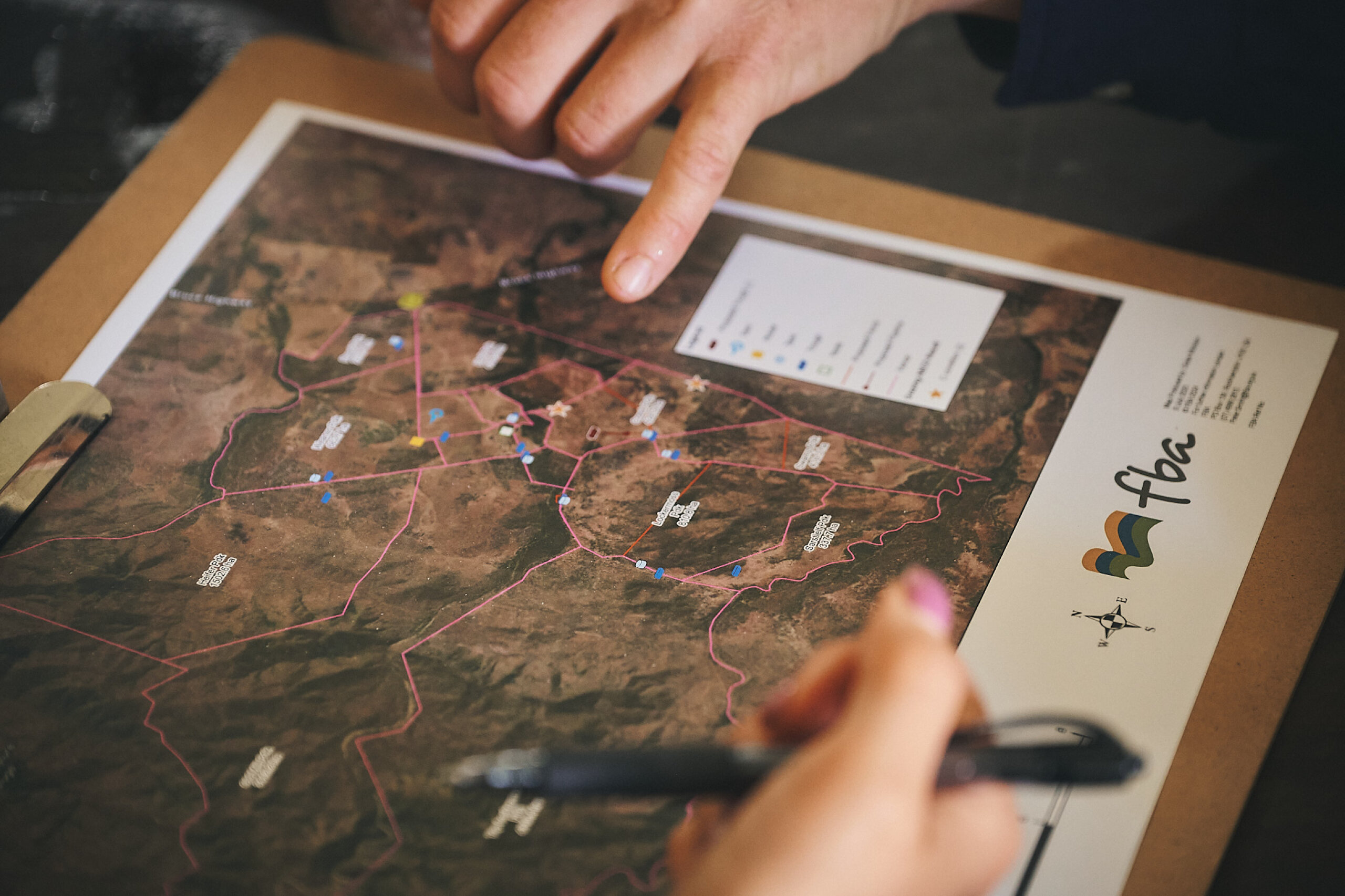
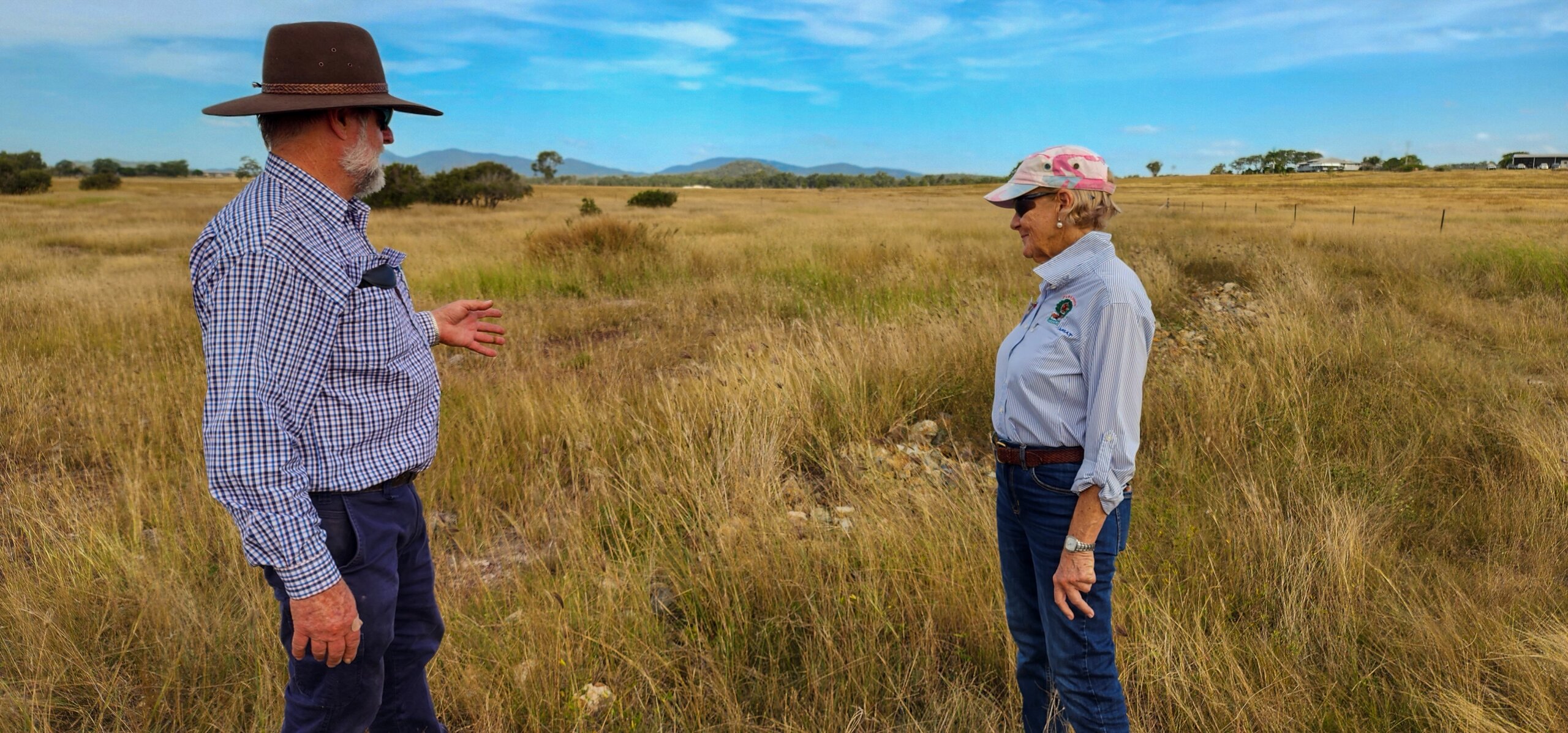
Mapping out a land management plan for Montrose
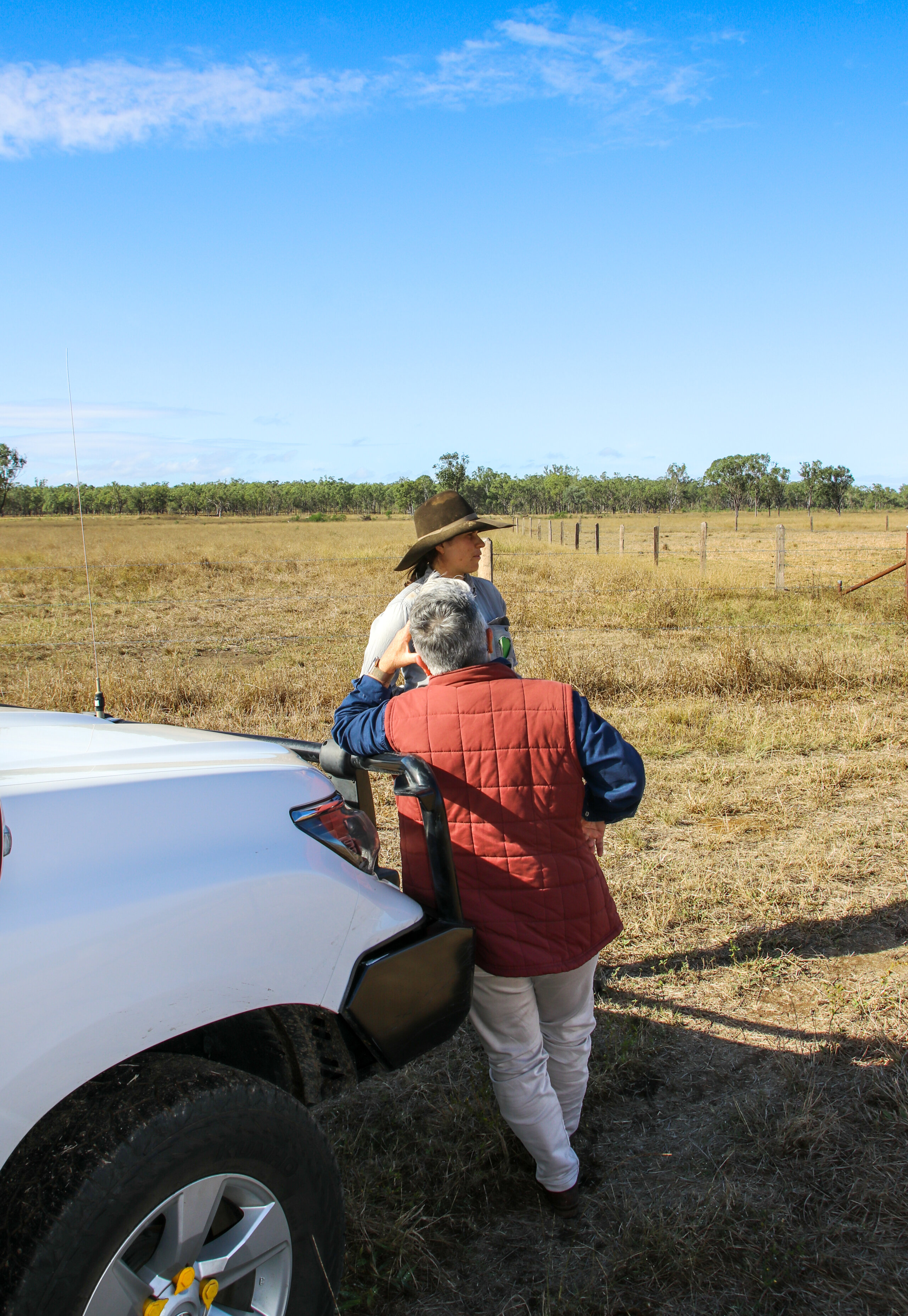
Project completion visit at Montrose
While sitting at the table sharing pumpkin scones with their kids, Margaret and Percy for a morning tea break, Todd explained that for them, it’s not just about improving the property for their time on it. It’s about the future of the land beyond that. “We absolutely think about how what we do now will help this place for the future. We think about what it will look like in 100 years’ time, for our future grandkids and even great grandkids,” said Todd.
“To have help from FBA and the GRASS program, has been such a huge help towards those goals”. Through the GRASS program FBA was able to support Todd and Angel with 6.2 km of fencing, 800 m of poly and another trough. This has helped them split up the paddocks to allow for rotational grazing which gives the paddocks time to rest and promote better utilisation of the pasture.
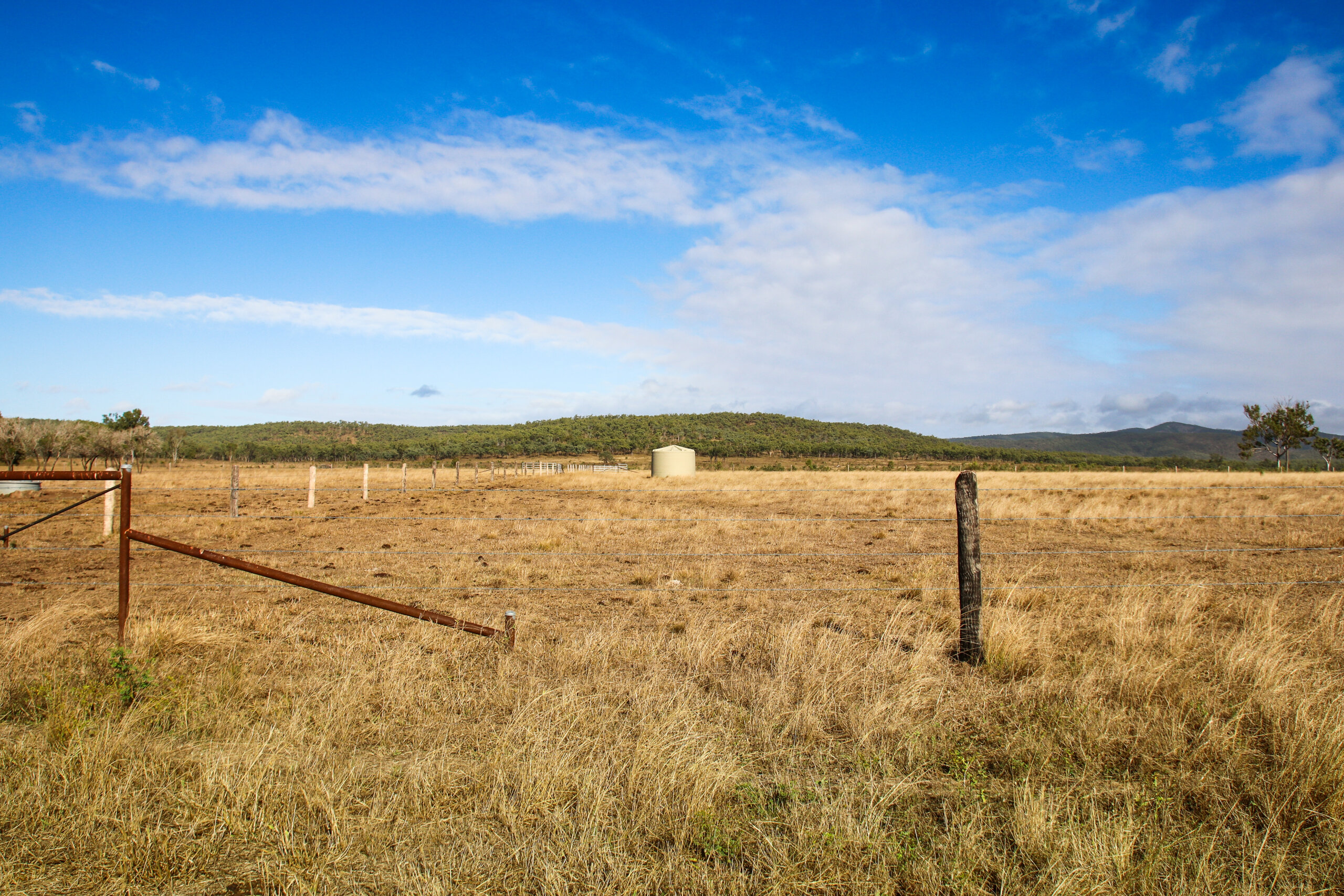
new fencing installed at Montrose
“We do all our mustering by horses, and when you have bigger paddocks, you’re doing a lot more riding and the cattle are doing a lot more kilometers and it’s just not good utilisation. And when it was set stocked the paddocks weren’t getting any rest. Eventually we want about 30 paddocks, but we’ve done the most important ones for now,” said Todd.
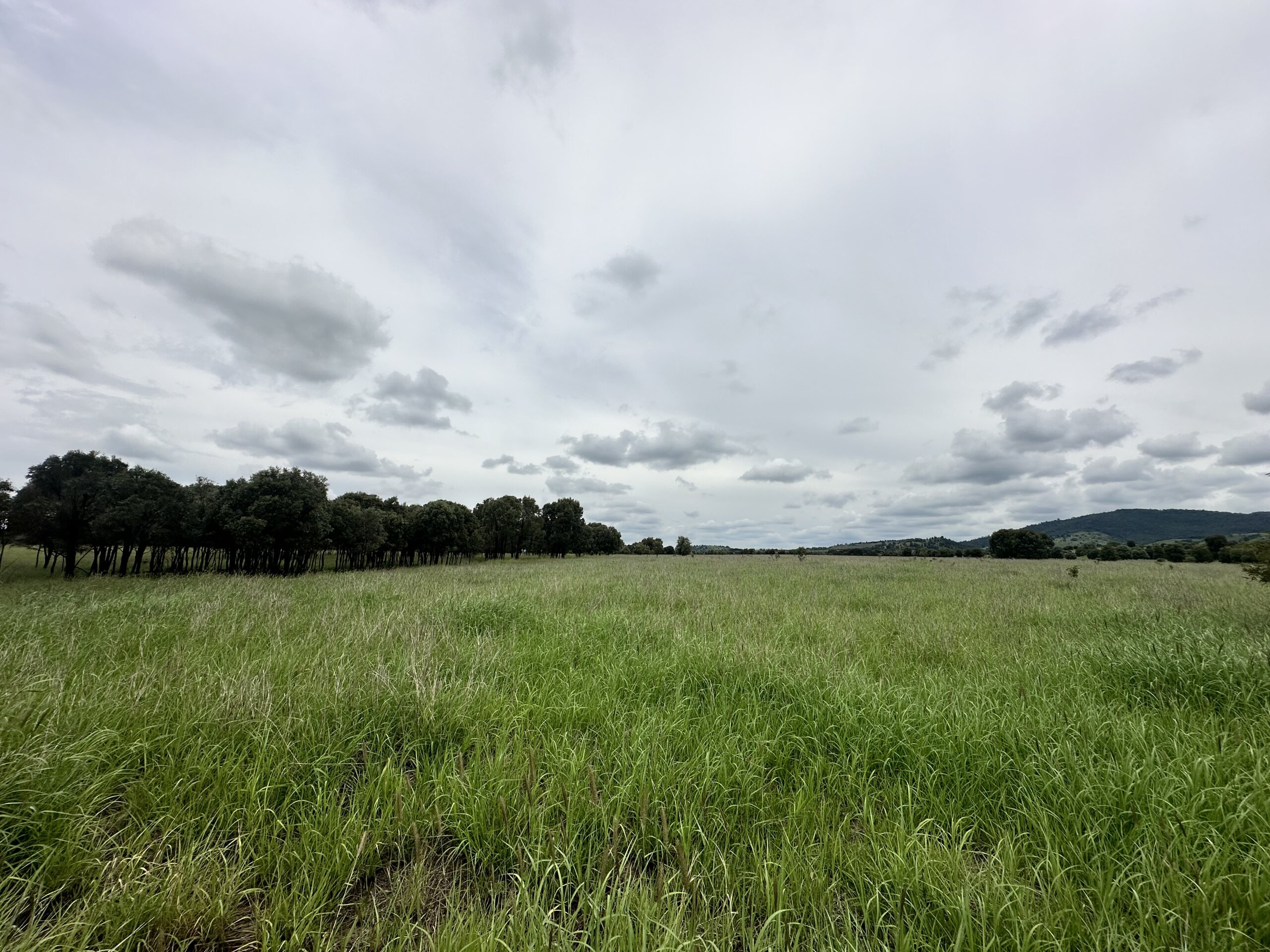
It’s been almost two years since Todd and Angel arrived at Montrose and while driving across the property, the pride of how far it’s come is evident. “We have so much more grass already, it does help that we had a good wet season, but the rotational grazing and new infrastructure has already made such a difference,” said Angel.
Margaret, aged 4, and Percy, aged 2, joined in for the drive. They grinned while excitedly explaining how they already help with the mustering on their horses Lotto and Tiny. They both want to be farmers when they grow up.
While Margaret and Percy are still a long way from leading the charge, with Todd and Angel putting in the foundation, Montrose’s future is well on the way to being a family legacy the Hatfields can be proud of.
FBA Land Management Coordinator, Vicki Horstman said she can’t wait to see how this property progresses.
“Good people, putting in good work is the key to successful properties and it’s exciting seeing young land managers come through ready to learn, and take in as much information as possible to better the land,” said Vicki.
With a lot of hard work, the properties that start as the whispers of possibilities can turn into the properties that inspires the next set of hands.
If you'd like to print or view the case study as a PDF, click here.
The Grazing Resilience and Sustainable Solutions (GRASS) program is funded through the Queensland Government’s Queensland Reef Water Quality Program and delivered by the Department of Primary Industries (DPI), FBA, Burnett Mary Regional Group, and NQ Dry Tropics.