When Byrony and John Tramacchi bought The Pocket, a 658-hectare property south of Emerald less than 12 months ago, they saw more than just land. They saw opportunity. They also recognised the land condition needed to improve before it could reach its full potential. Wanting to take a more strategic approach to grazing and support the recovery of overgrazed areas, they reached out to FBA for support.
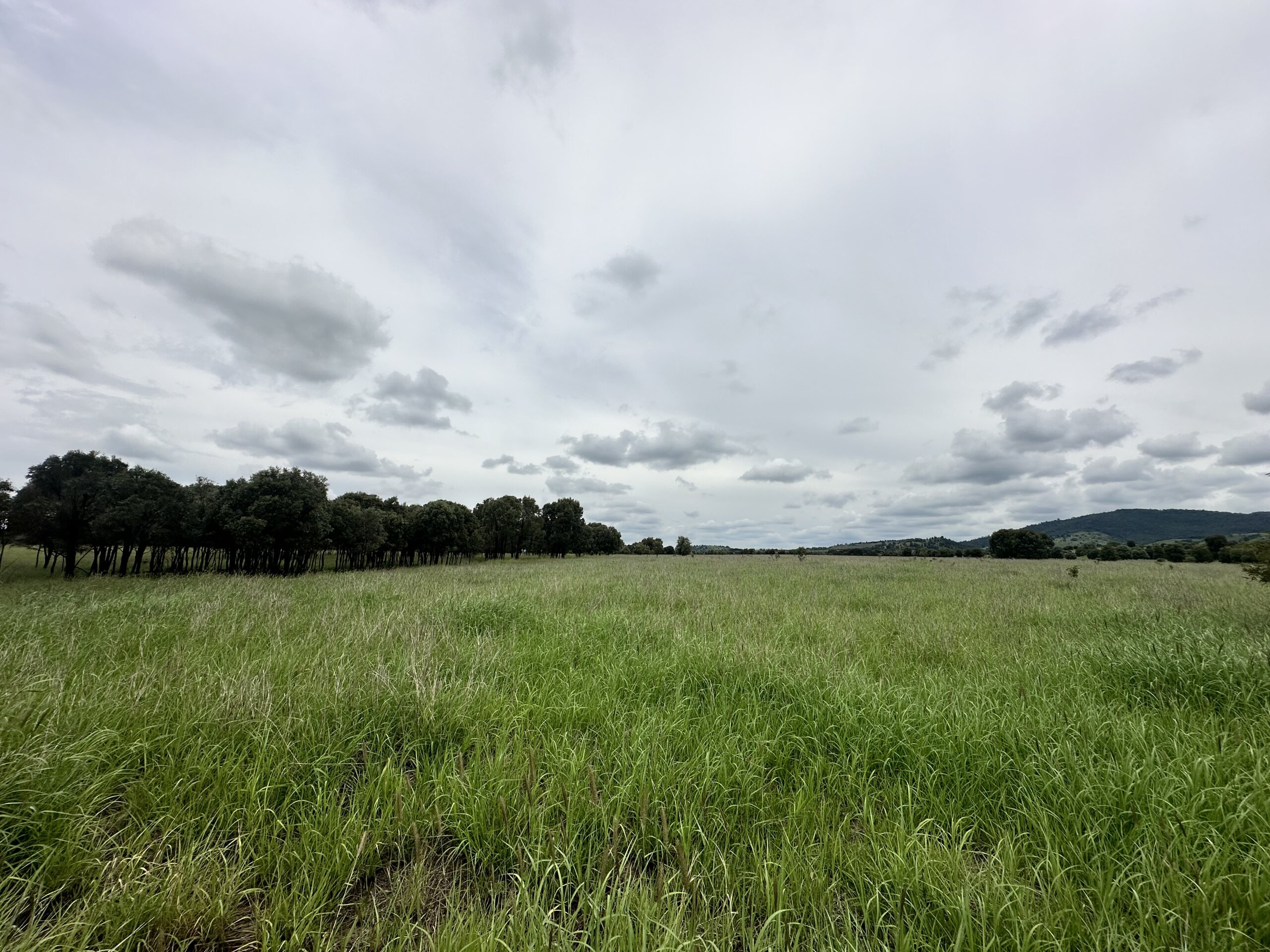
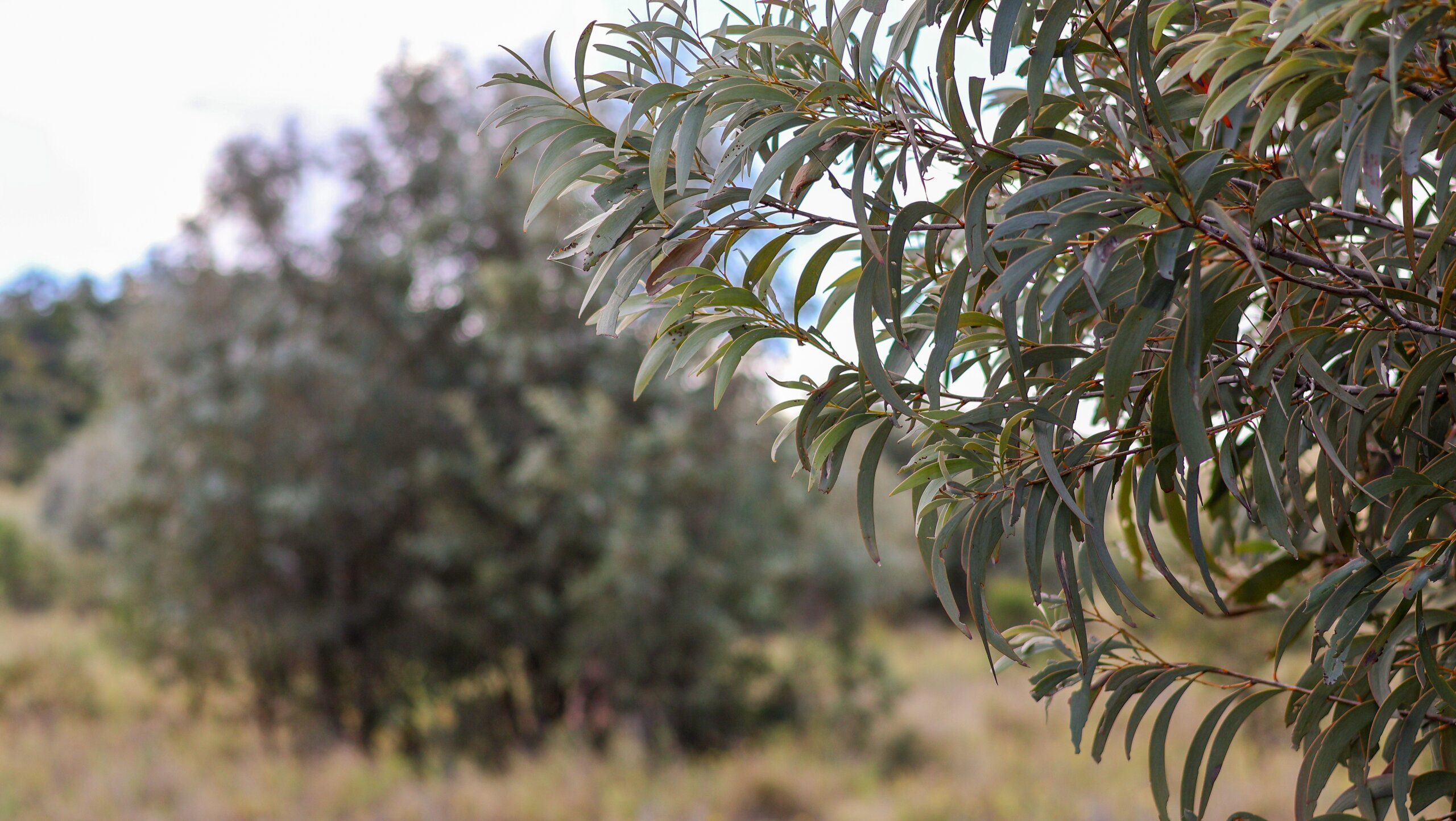
Driving up to the front gate of The Pocket, you are met with a landscape largely made up of Mountain Coolibah woodlands, bordered by areas of Open Downs country.
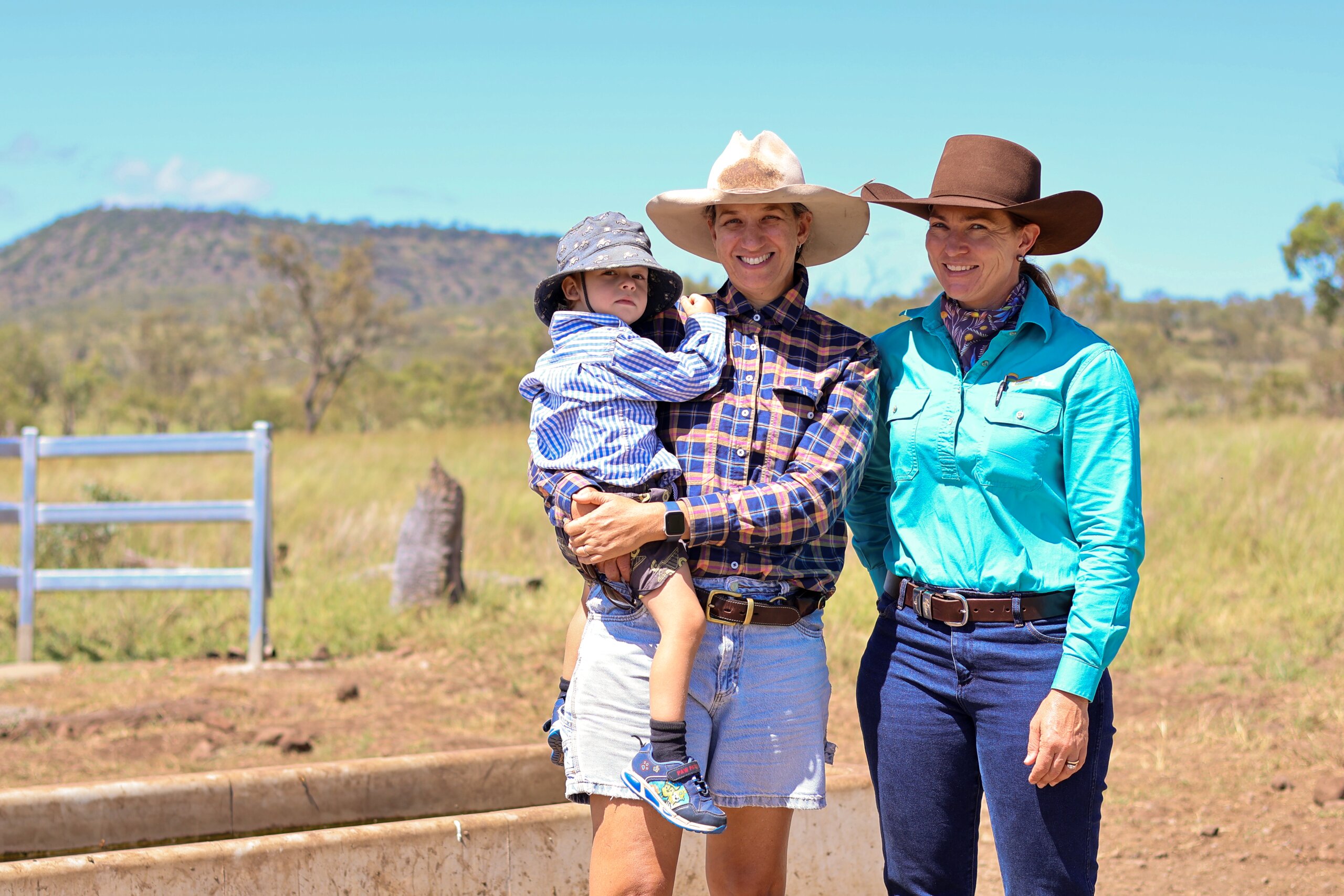
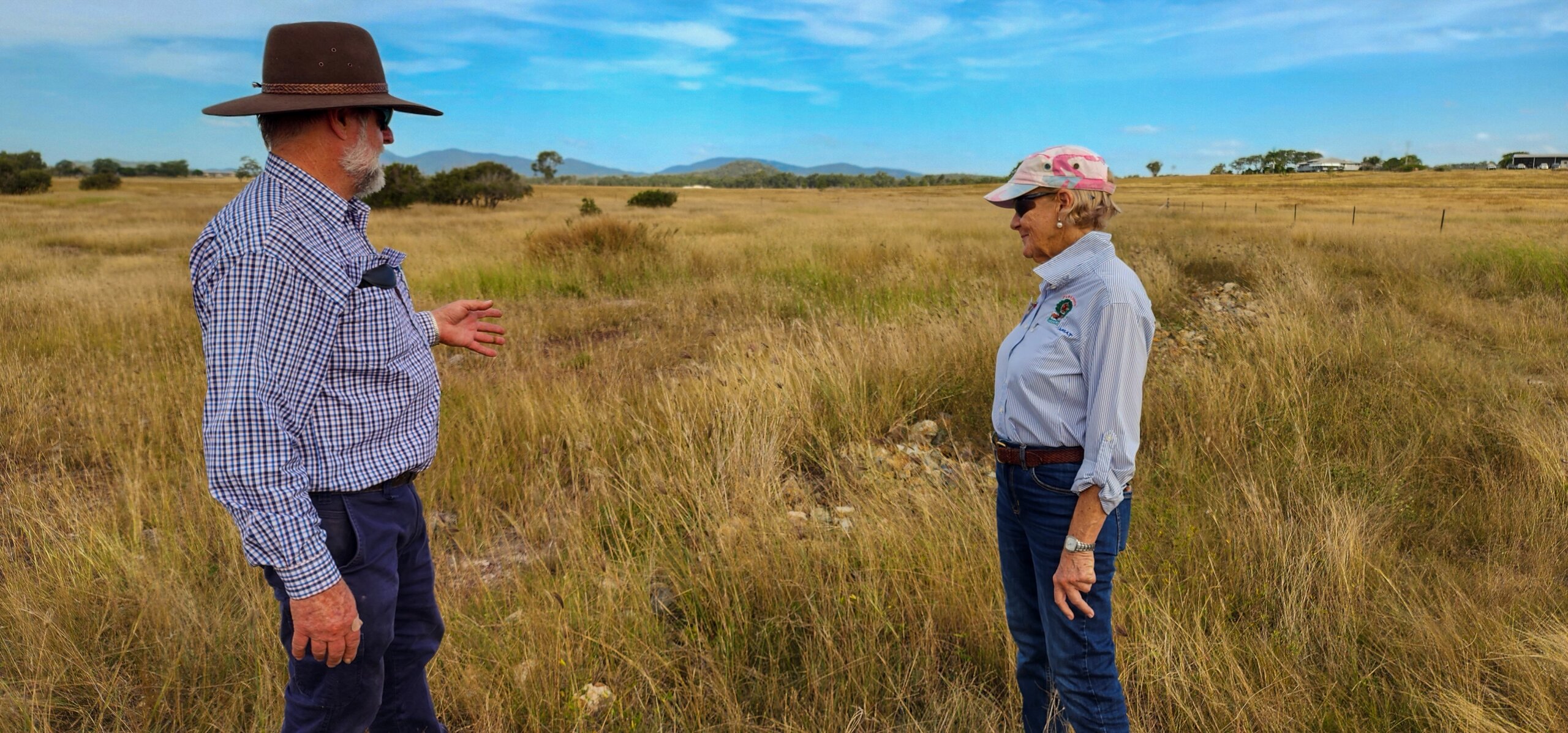
Nash and Byrony Tramacchi, with FBA Land Management Officer Sheree Johnston.
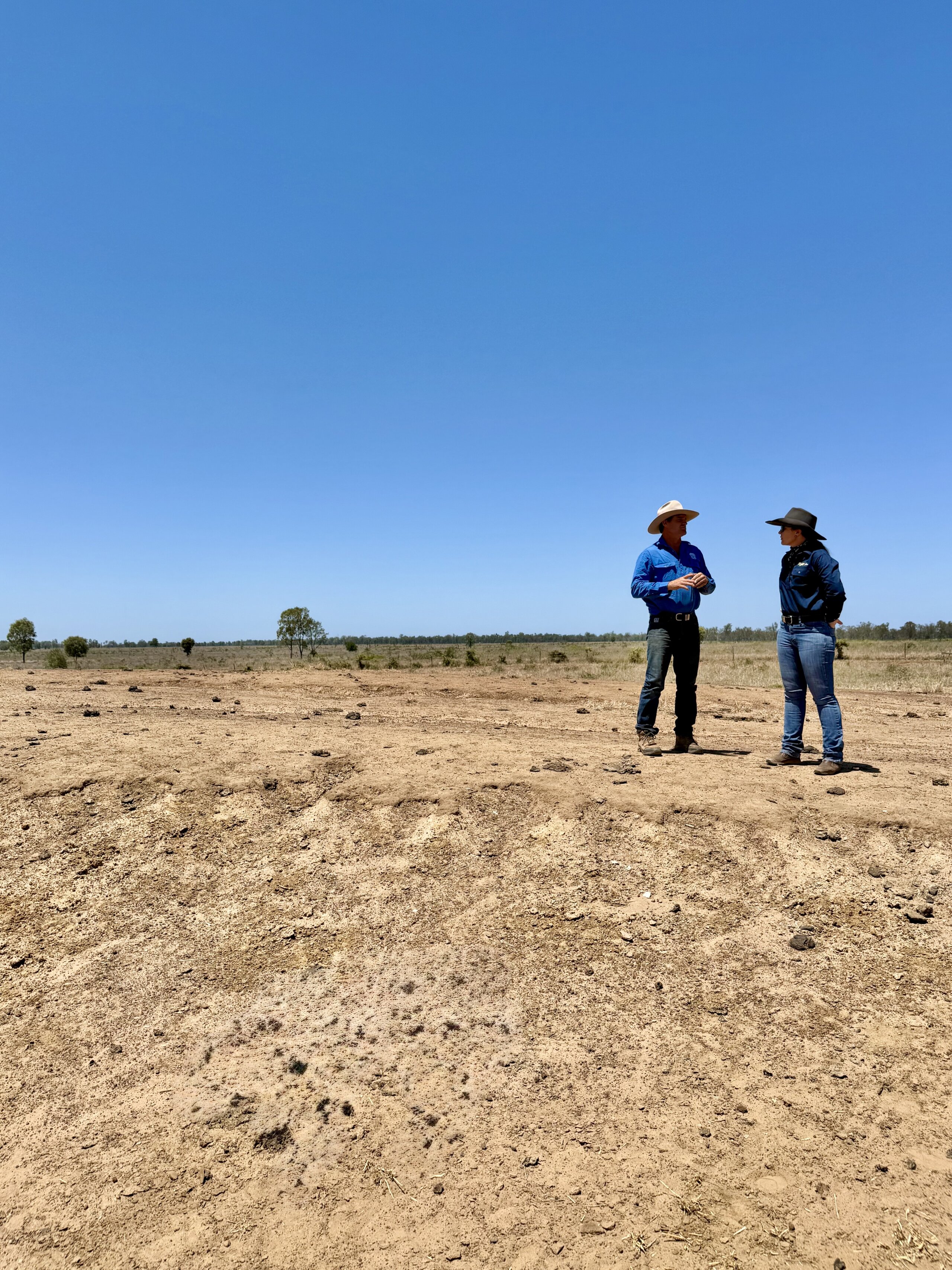
When FBA Land Management Officer Sheree Johnston first visited the property in September 2025, signs of uneven grazing pressure were clear. Patch grazing was evident across the land, particularly in the more vulnerable Open Downs areas, where grazing had been concentrated and the country had taken the greatest impact over time. The land was sitting around C condition, with parthenium and mimosa weeds beginning to spread.
Byrony and John already practise rotational grazing on their other property, Nelson, a roughly 1,500-hectare block east of Springsure, where they have seen the benefits of resting paddocks. Their goal for The Pocket was to apply these same principles by introducing a more structured grazing system to improve pasture use, increase ground cover and lift overall land condition.
How FBA supported The Pocket through the GRASS program:
2.6 kilometres of fencing
3.6 kilometres of poly pipe and one solar pump
One tank and three troughs
“We had Sheree out to the property before we’d even brought cattle in. We wanted to plan ahead and look at how fencing and water could support rotational grazing. It’s about getting cattle into areas they’re not grazing as much and giving that over utilised country a chance to recover. We really want to look after the country, give it some respite, and over time see the grasses improve and the place become more productive,” Byrony said.
Through funding from the Queensland Government’s Grazing Resilience and Sustainable Solutions (GRASS) program, FBA supported Byrony and John with 2.6 kilometres of fencing, 3.6 kilometres of poly pipe, one solar pump, one tank and three troughs.
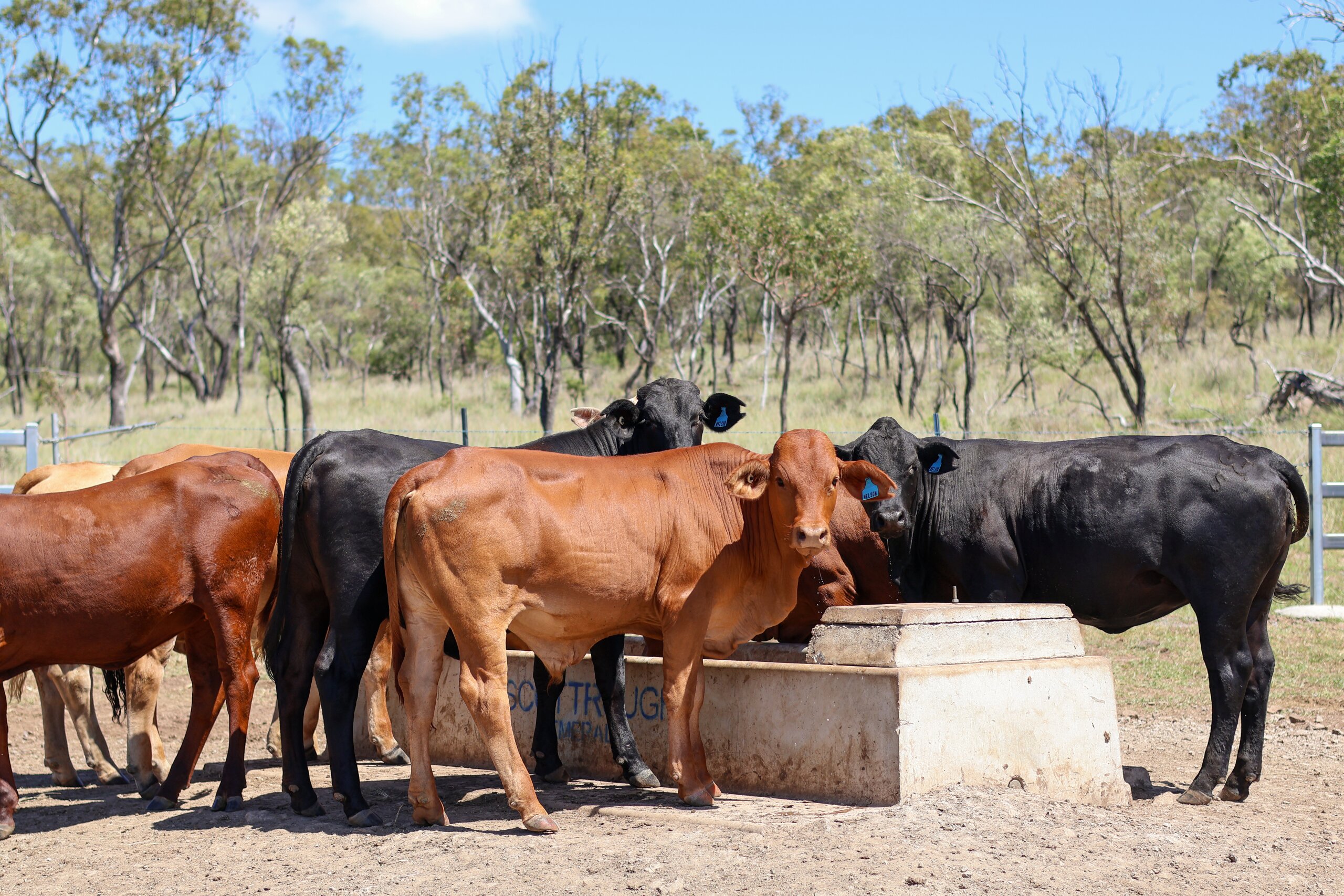
Cows drinking from new trough on The Pocket.
Sheree said splitting three large paddocks into five smaller paddocks allows grazing pressure to be more evenly managed.
“This helps reduce patch grazing, particularly on the Open Downs country, and gives pastures time to rest and recover,” she said.
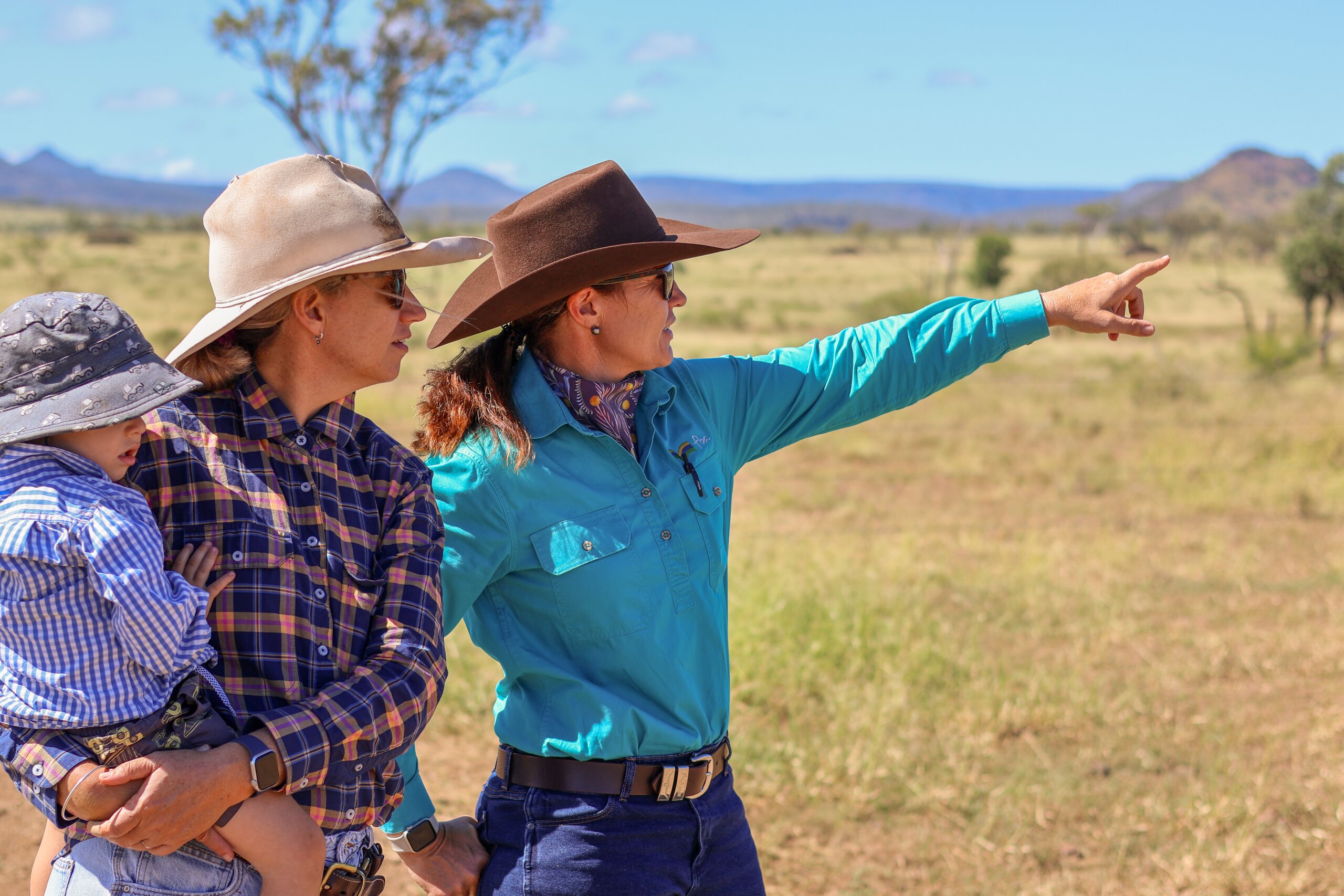
Nash and Byrony Tramacchi, with FBA Land Management Officer Sheree Johnston.
During a follow-up visit in March to inspect the newly installed infrastructure, Sheree was already seeing early signs of improvement, including increased ground cover.
“Putting in the extra infrastructure is already helping to address patch grazing on the Open Downs country. We’re starting to see the outcomes Byrony and John were aiming for. If they continue with their current grazing management, this country has a strong chance of turning around,” she said.
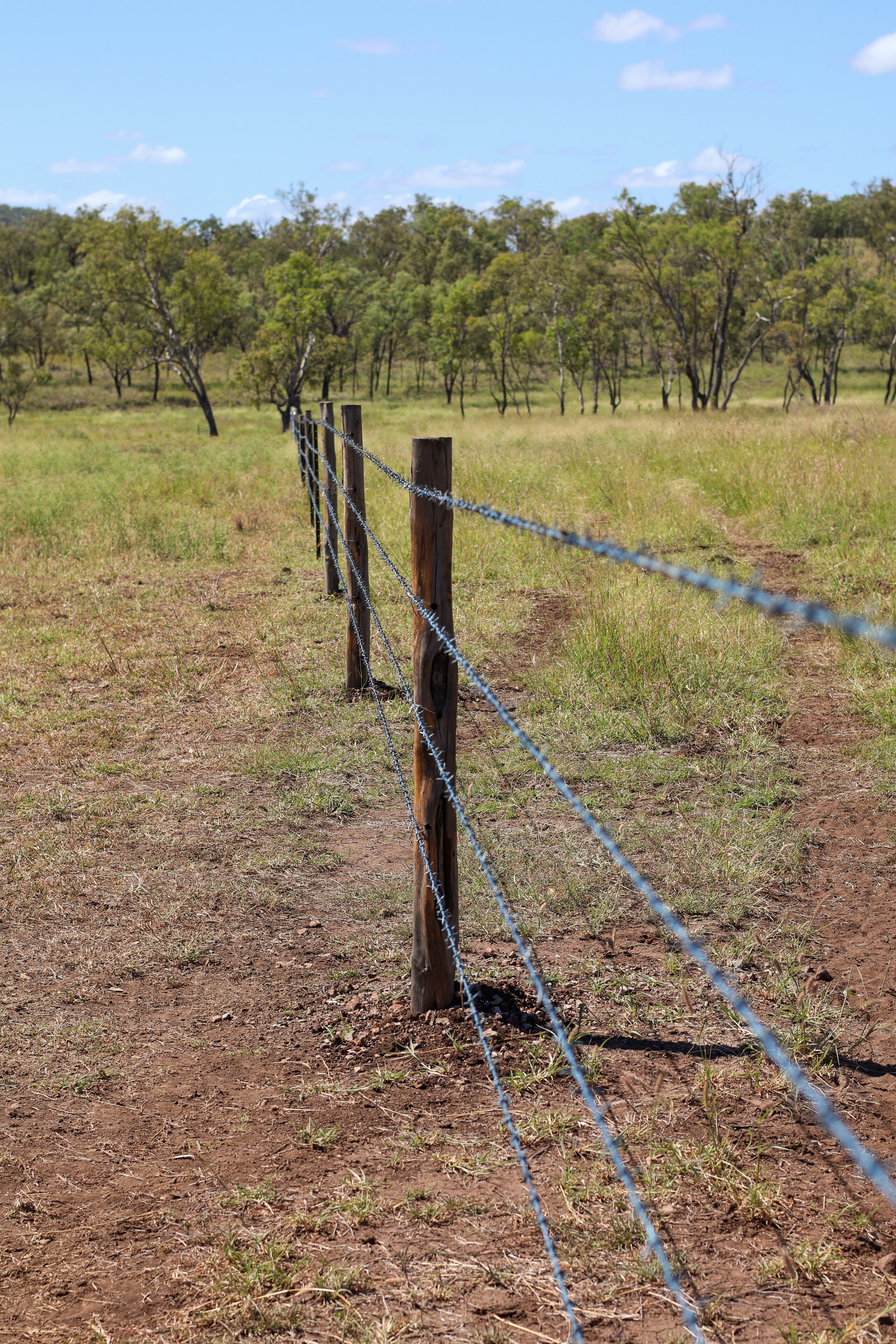
Freshly installed fencing on The Pocket.
Byrony said she greatly valued FBA’s support.
“FBA has been very good to work with. The financial and on-ground support FBA offer is invaluable,” she said.
If you'd like to print or view the case study as a PDF, click here.
The Grazing Resilience and Sustainable Solutions (GRASS) program is funded through the Queensland Government’s Queensland Reef Water Quality Program and delivered by the Department of Primary Industries (DPI), FBA, Burnett Mary Regional Group, and NQ Dry Tropics.