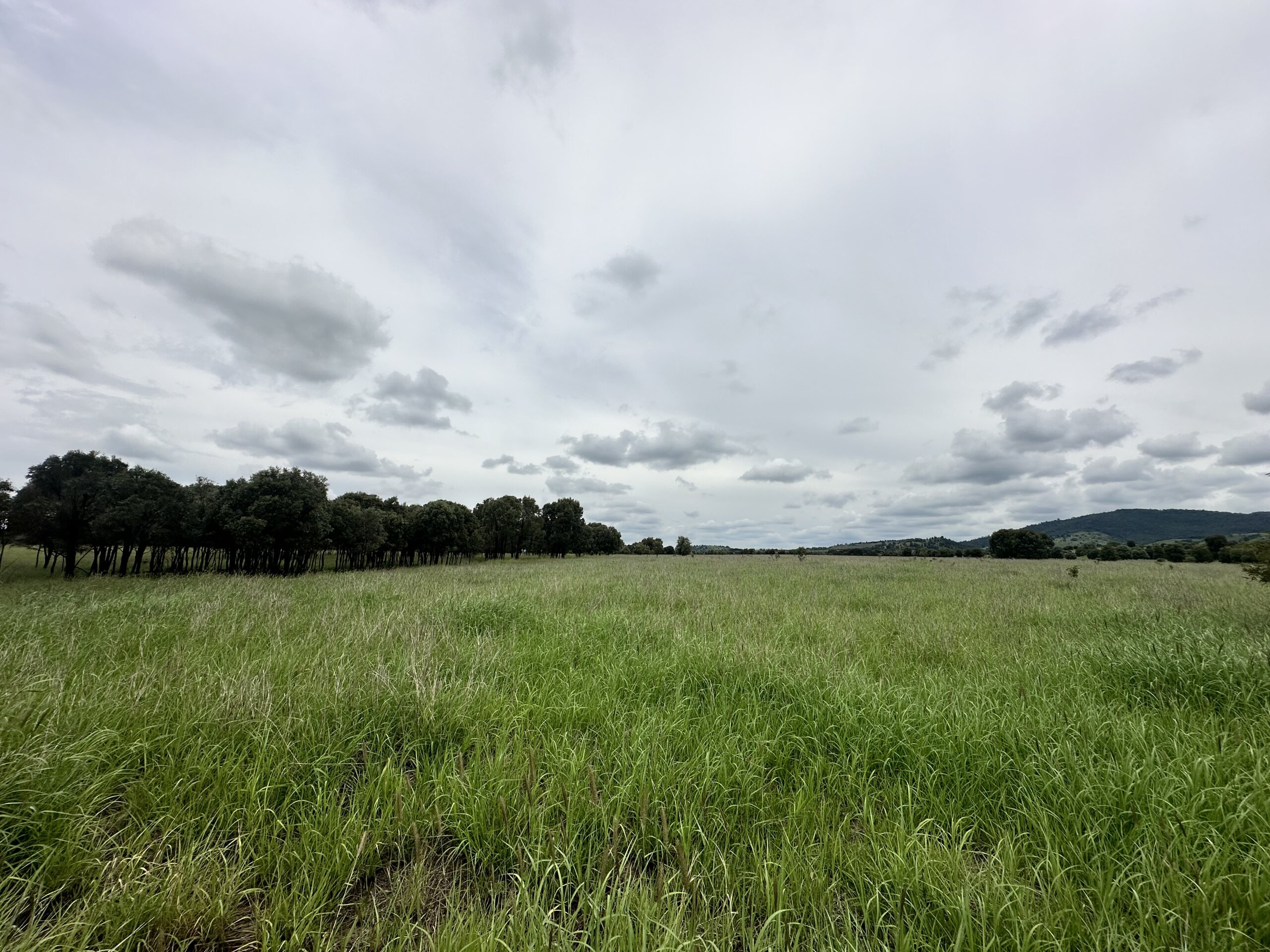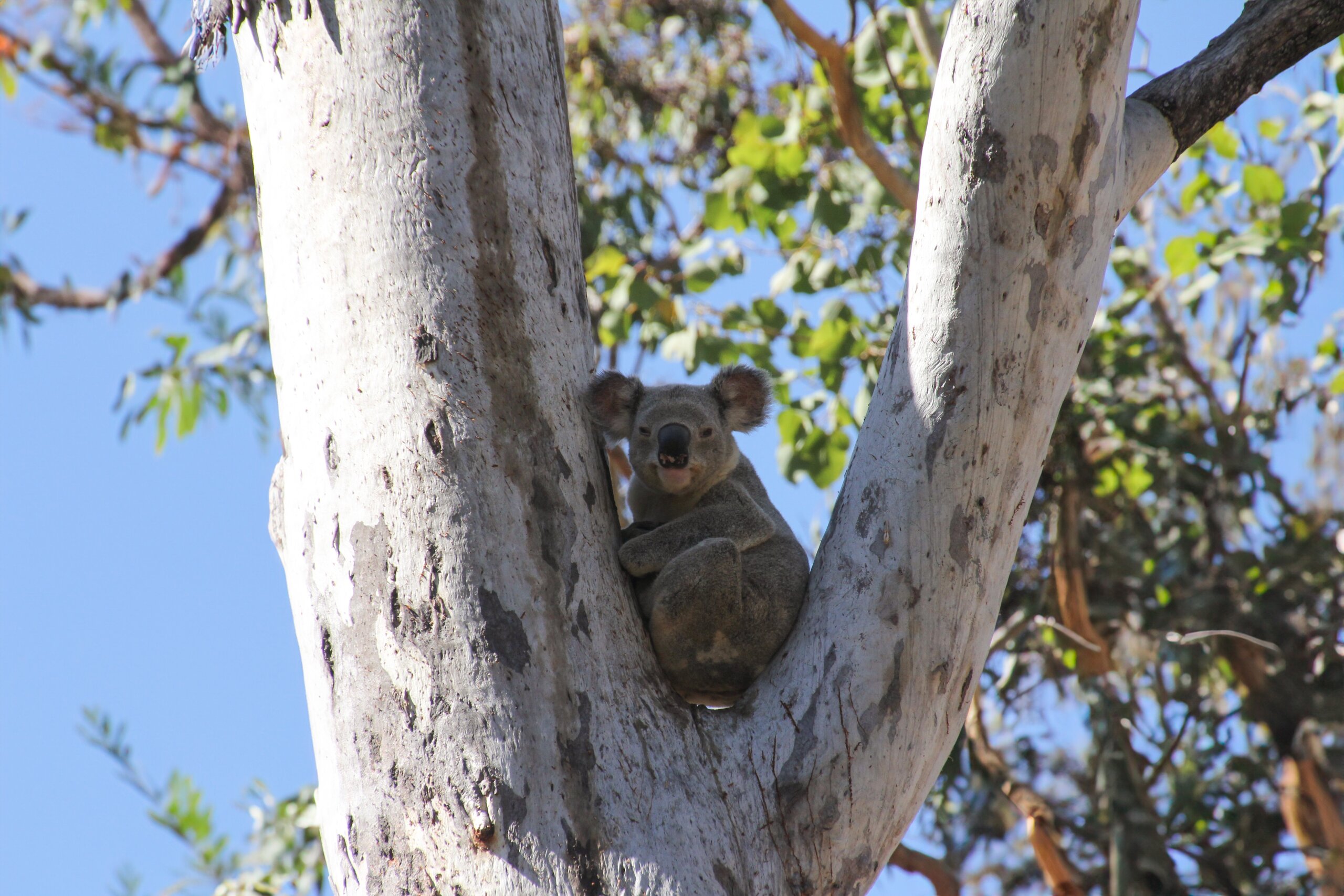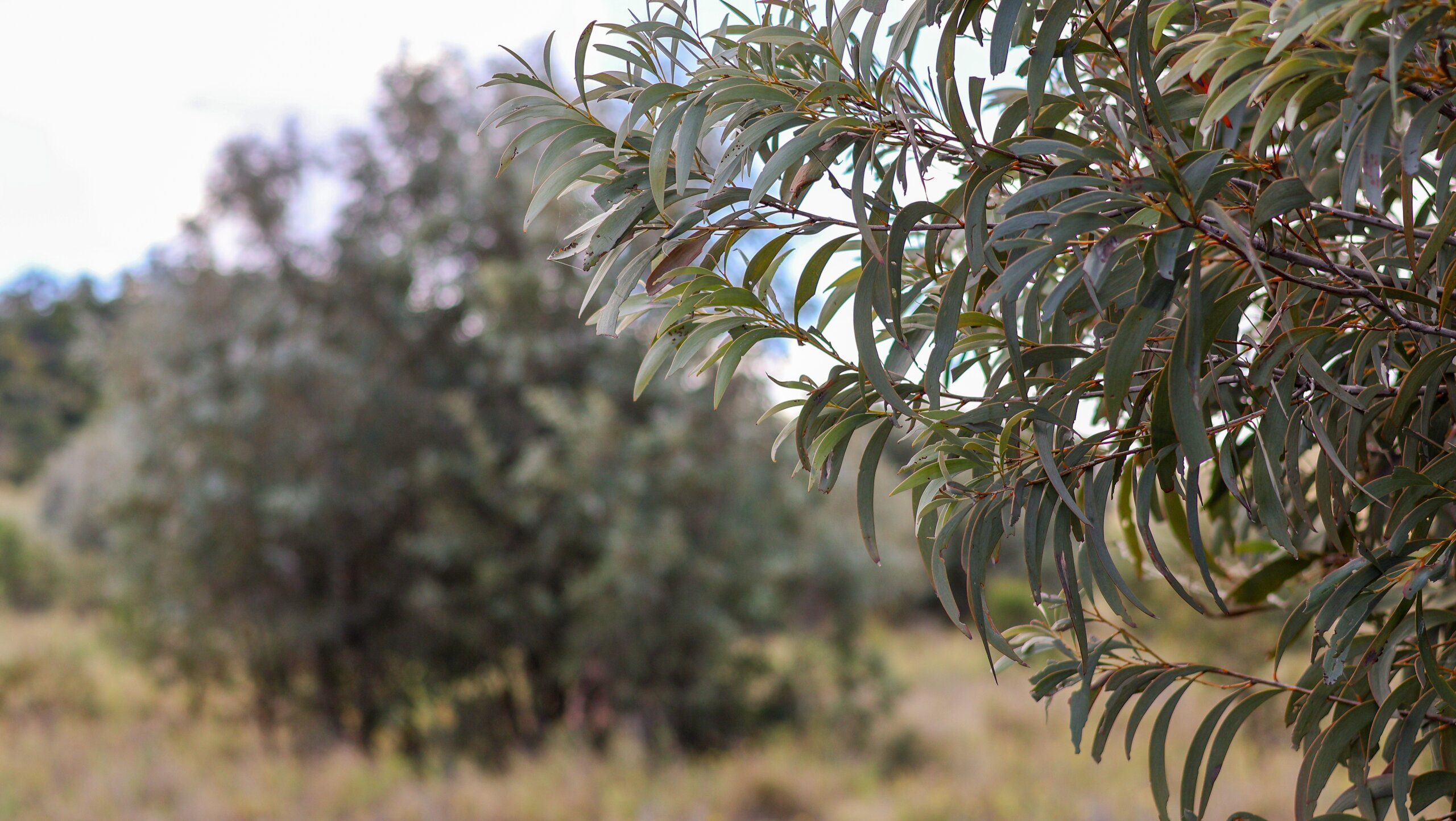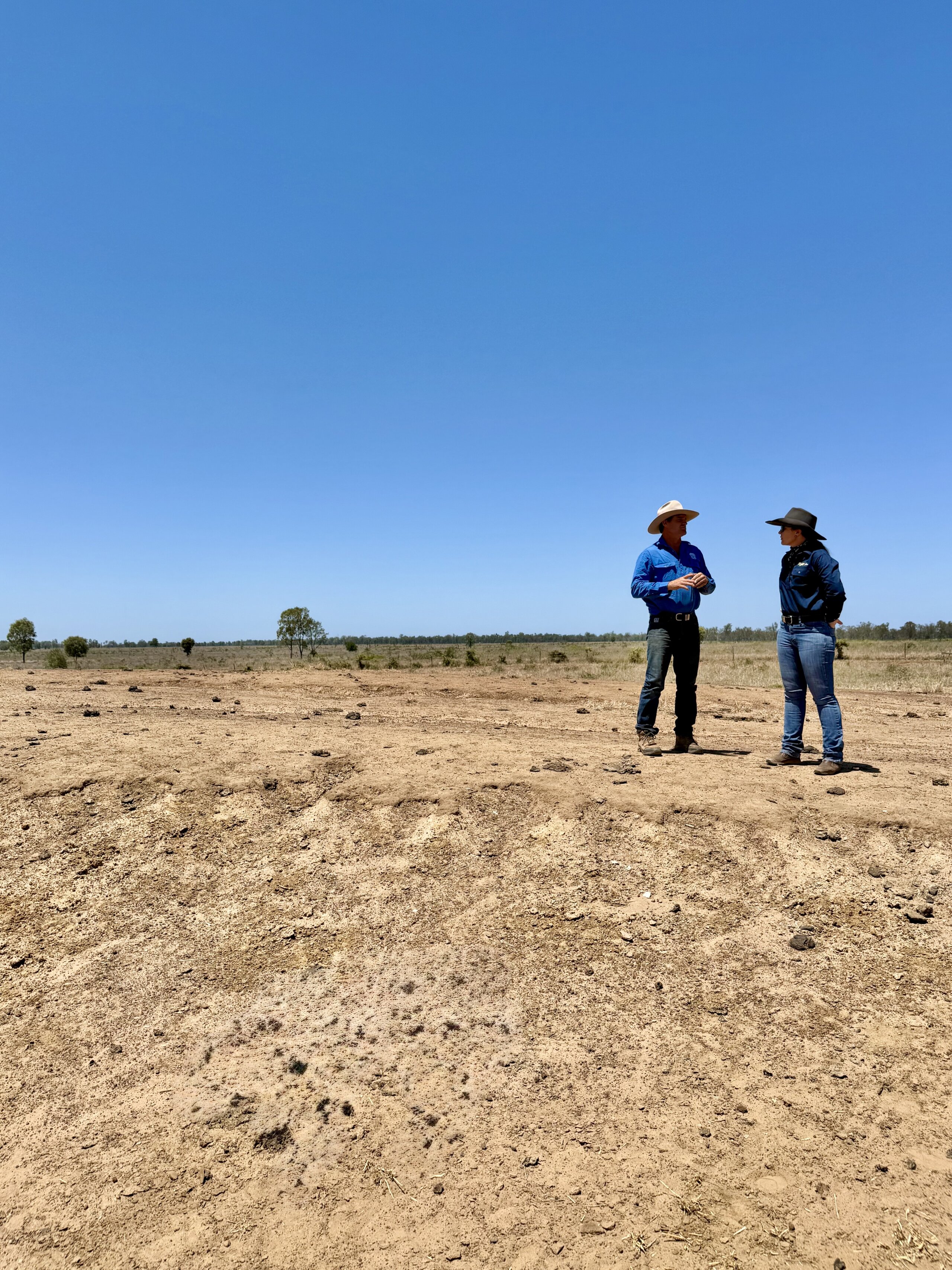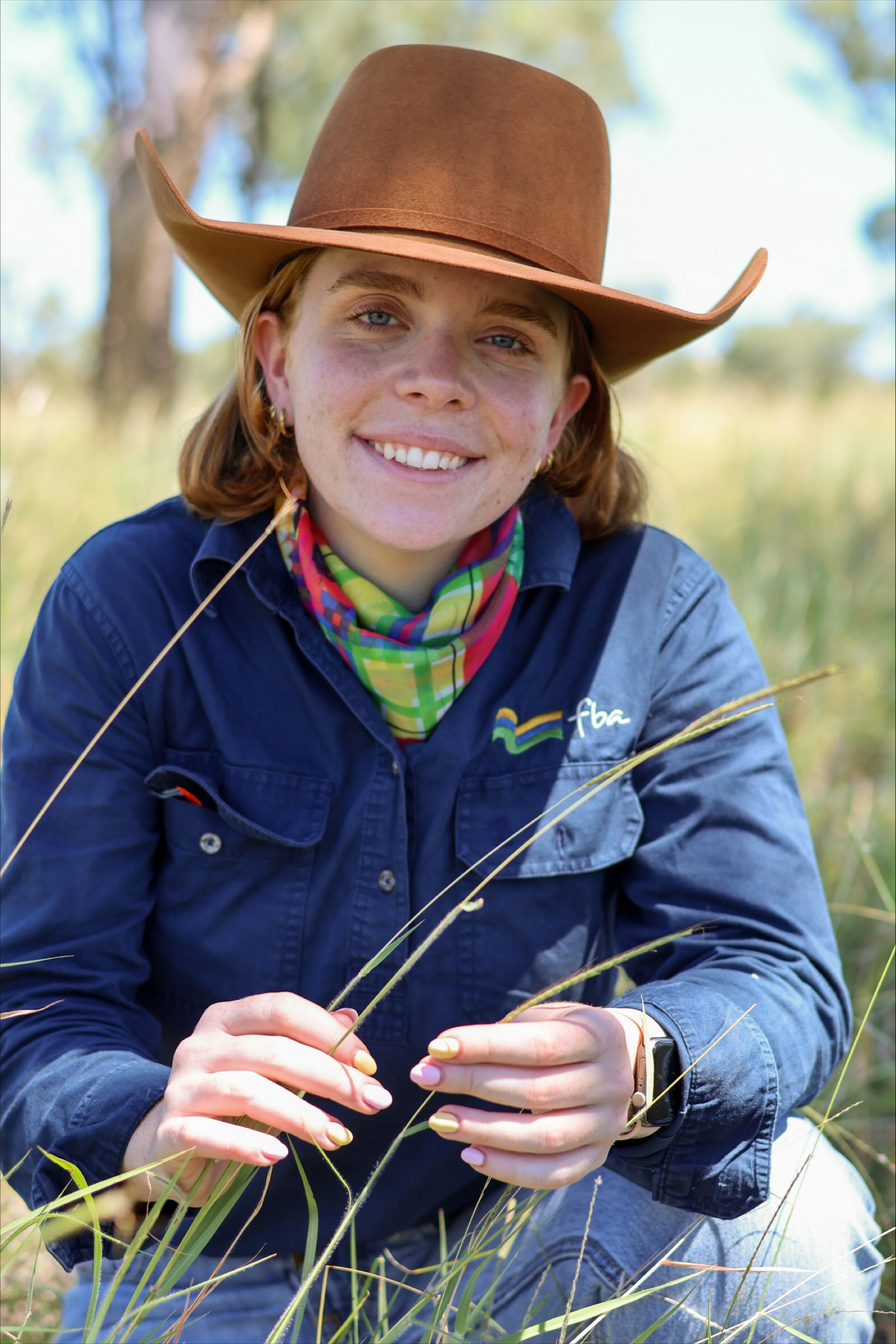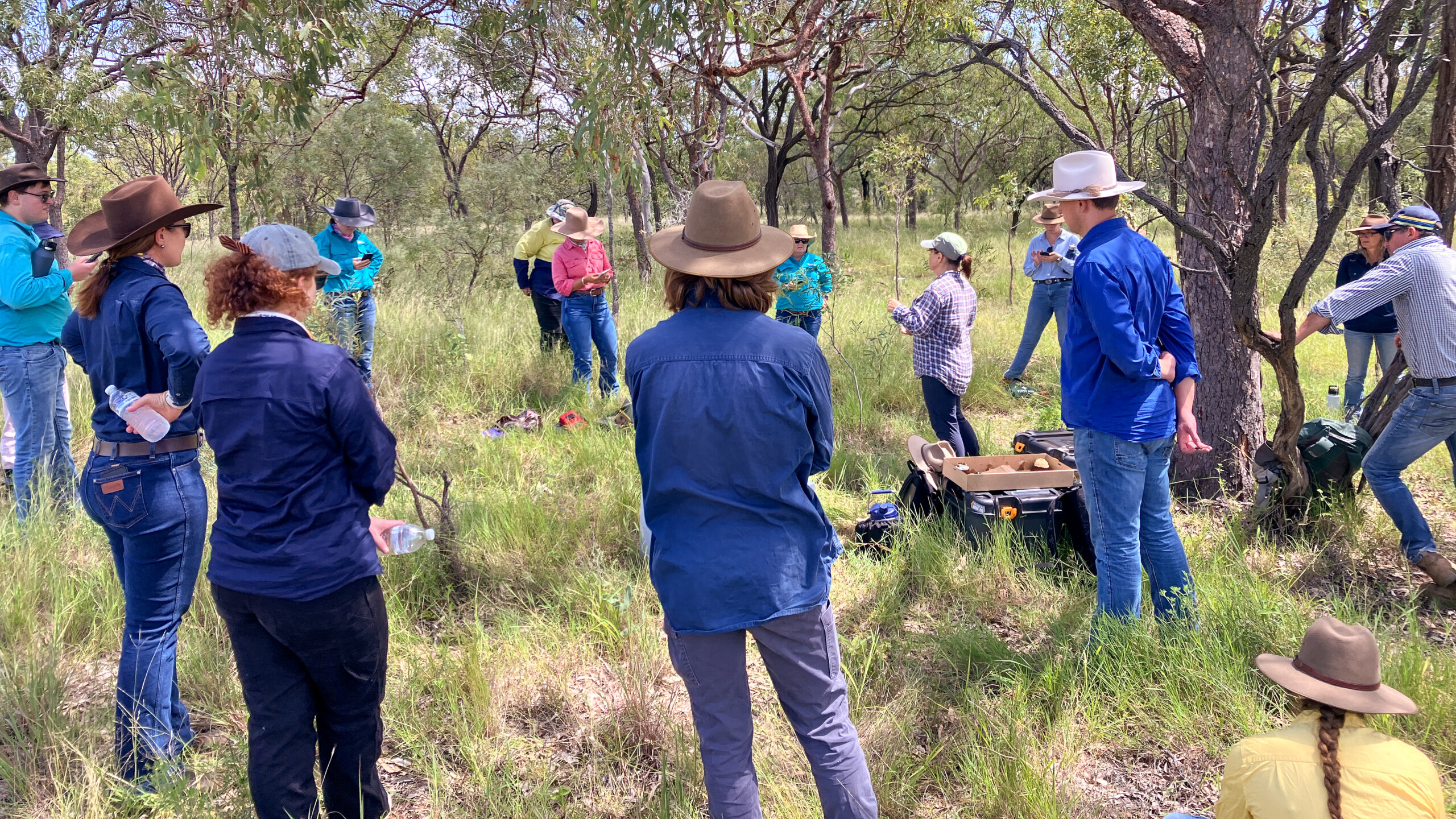
By bringing Agriculture and Environment staff together, FBA is strengthening collaboration across teams and building a shared understanding of how different parts of central Queensland landscapes are assessed. Combining these different perspectives is helping staff collect more consistent and meaningful data, giving them a more complete understanding of the landscape to support better decisions for land managers and the environment.
Supported through the Queensland Government's Natural Resources Recovery Program, FBA recently invested in training delivered under the State-wide Indicators Framework (SWIF), which provides Queensland's regional Natural Resource Management (NRM) organisations with consistent methods and tools for collecting data. The training included the Land Condition Assessment Tool (LCAT) and Vegetation Condition Assessment Tool (VegCAT).
With many new staff joining the organisation in recent years, and no formal LCAT training delivered since the tool was introduced more than four years ago, the training provided an opportunity to strengthen staff capability and build collaboration across teams.
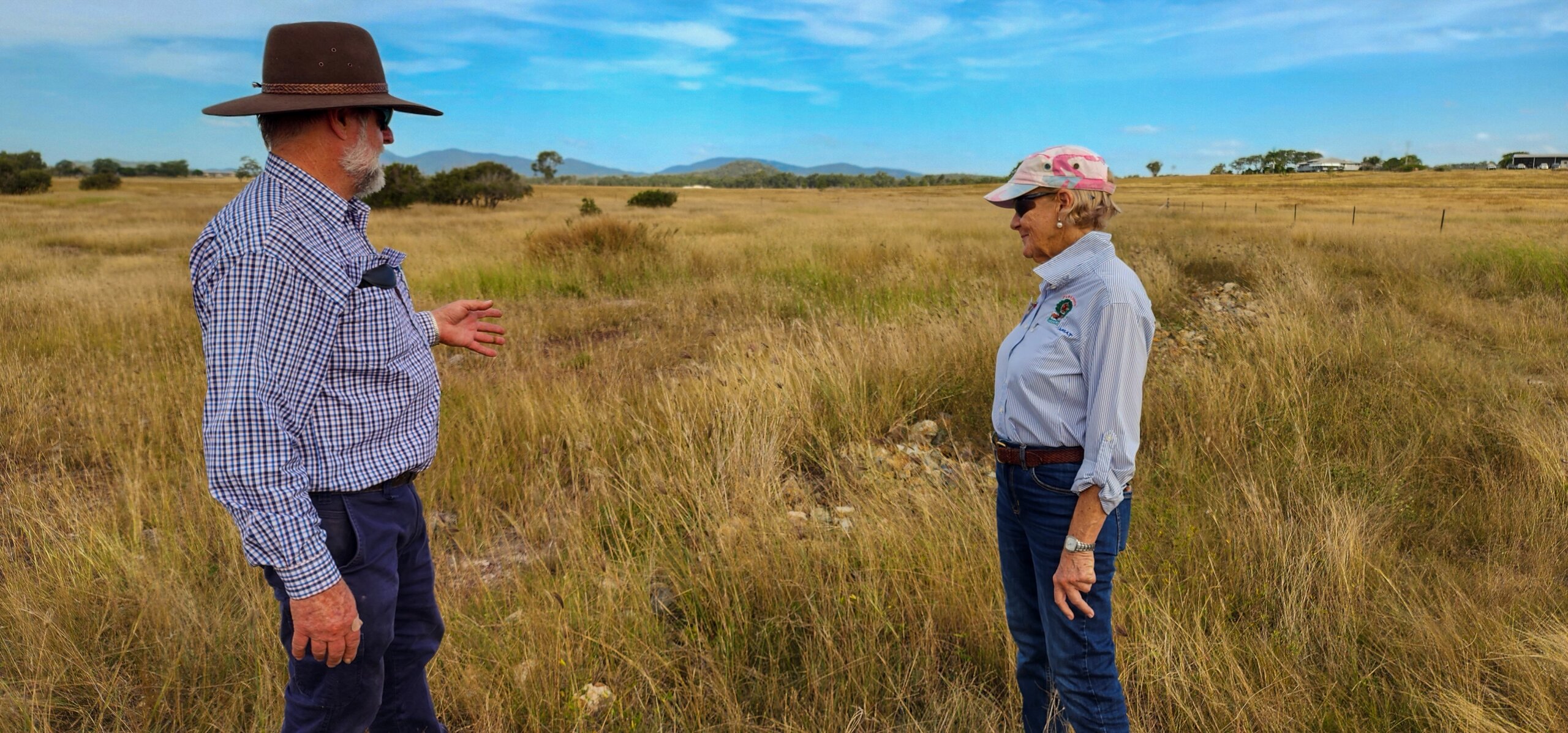
The training allowed staff to apply the tools in the field by assessing the same sites, comparing observations and discussing differences in interpretation. While LCAT focuses on pasture productivity and agricultural outcomes, VegCAT measures vegetation condition. Together, the two tools provide a more complete understanding of the landscape and help tell a more meaningful story.
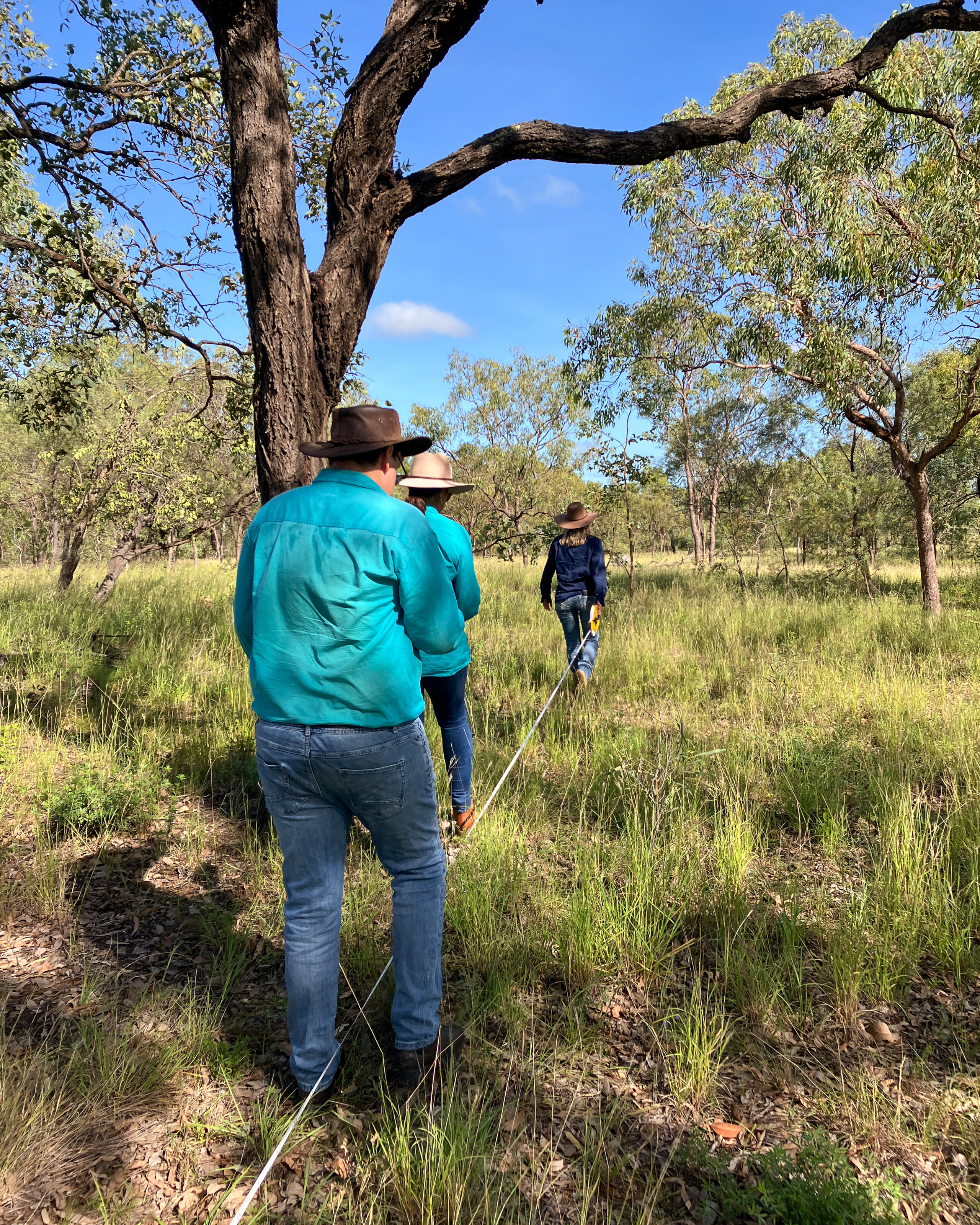
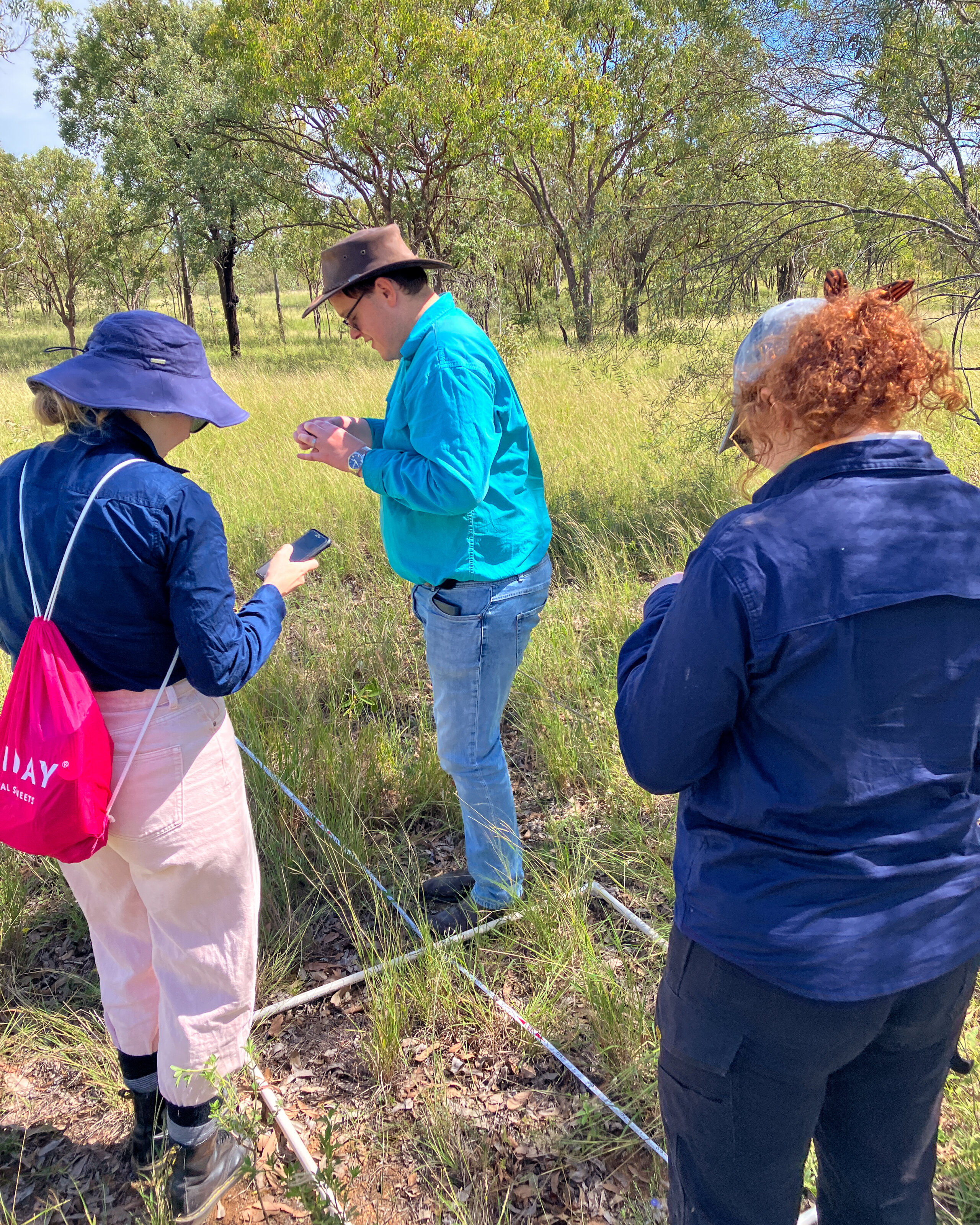
"Having staff trained in both LCAT and VegCAT improves our ability to assess landscapes holistically, recognising that production outcomes and ecological outcomes are often interconnected," Environment Coordinator Mac Hansler said.
"Having both Agriculture and Environment staff involved in field visits helps us identify more opportunities and build a more complete understanding of each site. Together, we're capturing information that might otherwise be missed.
"The training has also built a shared language and understanding across different teams, improving collaboration when planning projects, monitoring outcomes and discussing site conditions."
Environment Coordinator Mietta Morris said the benefits were already being seen in the field.
"By ensuring everyone is trained in the same way, we're collecting more consistent and accurate data. Staff are now confidently completing LCAT and VegCAT assessments in the field and applying the tools consistently, giving us greater confidence in the data we collect," she said.
FBA will continue building staff capability through ongoing SWIF training. Continued investment in staff capability will support stronger long-term datasets, better project evaluation, and greater confidence when communicating project outcomes.
If you'd like to print or view the case study as a PDF, click here.
This project is funded by Queensland Government’s Natural Resources Recovery Program.