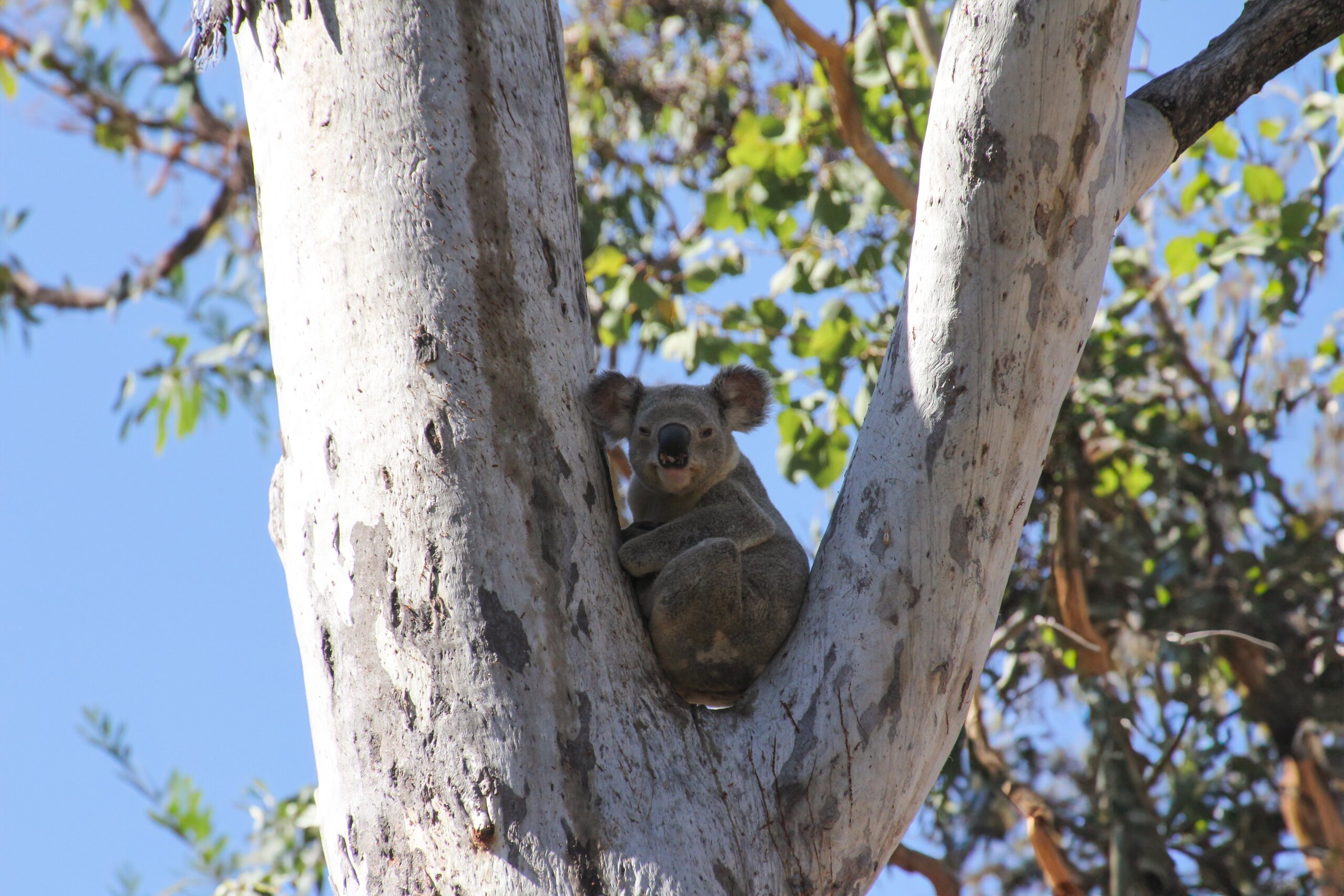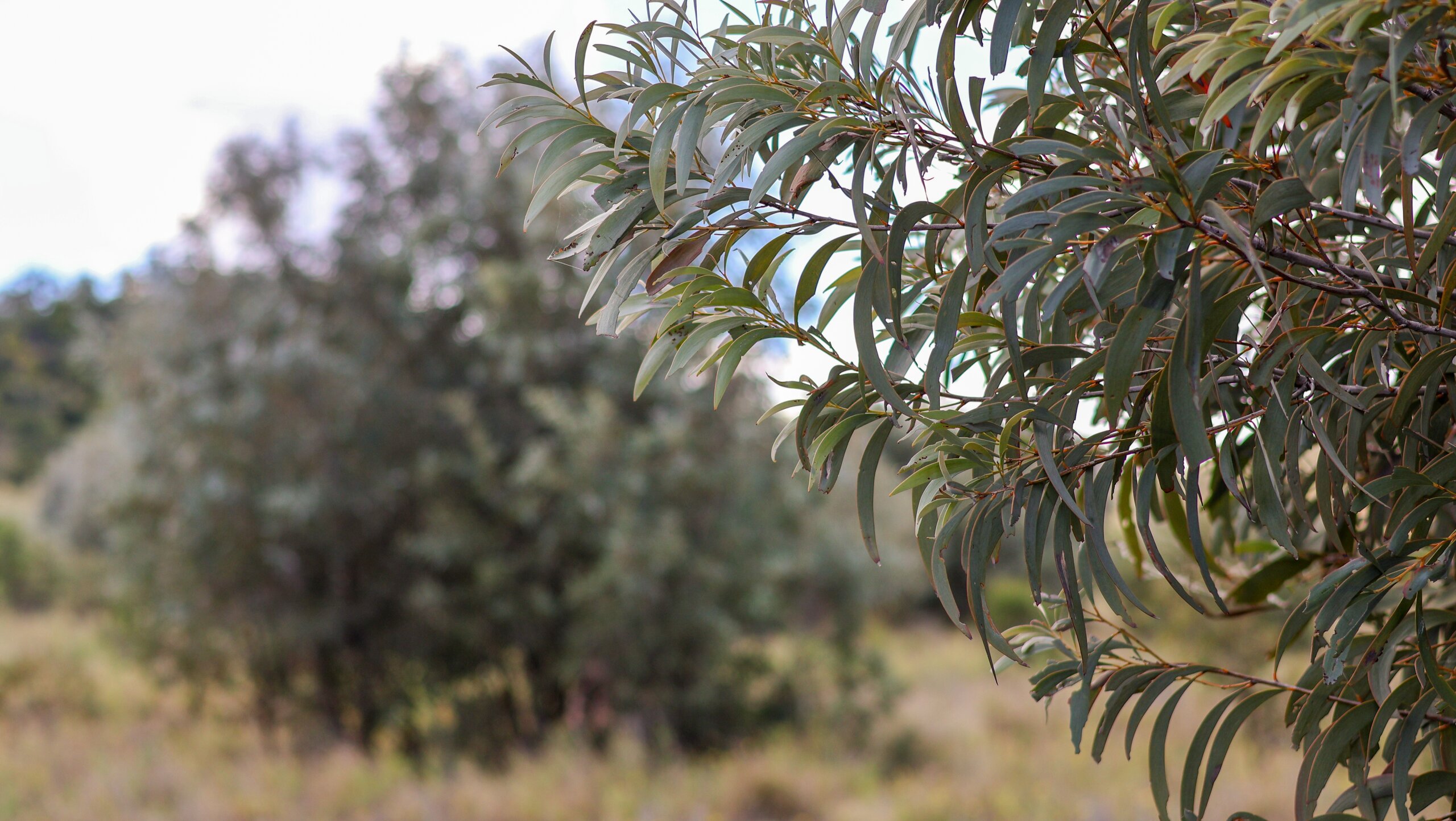
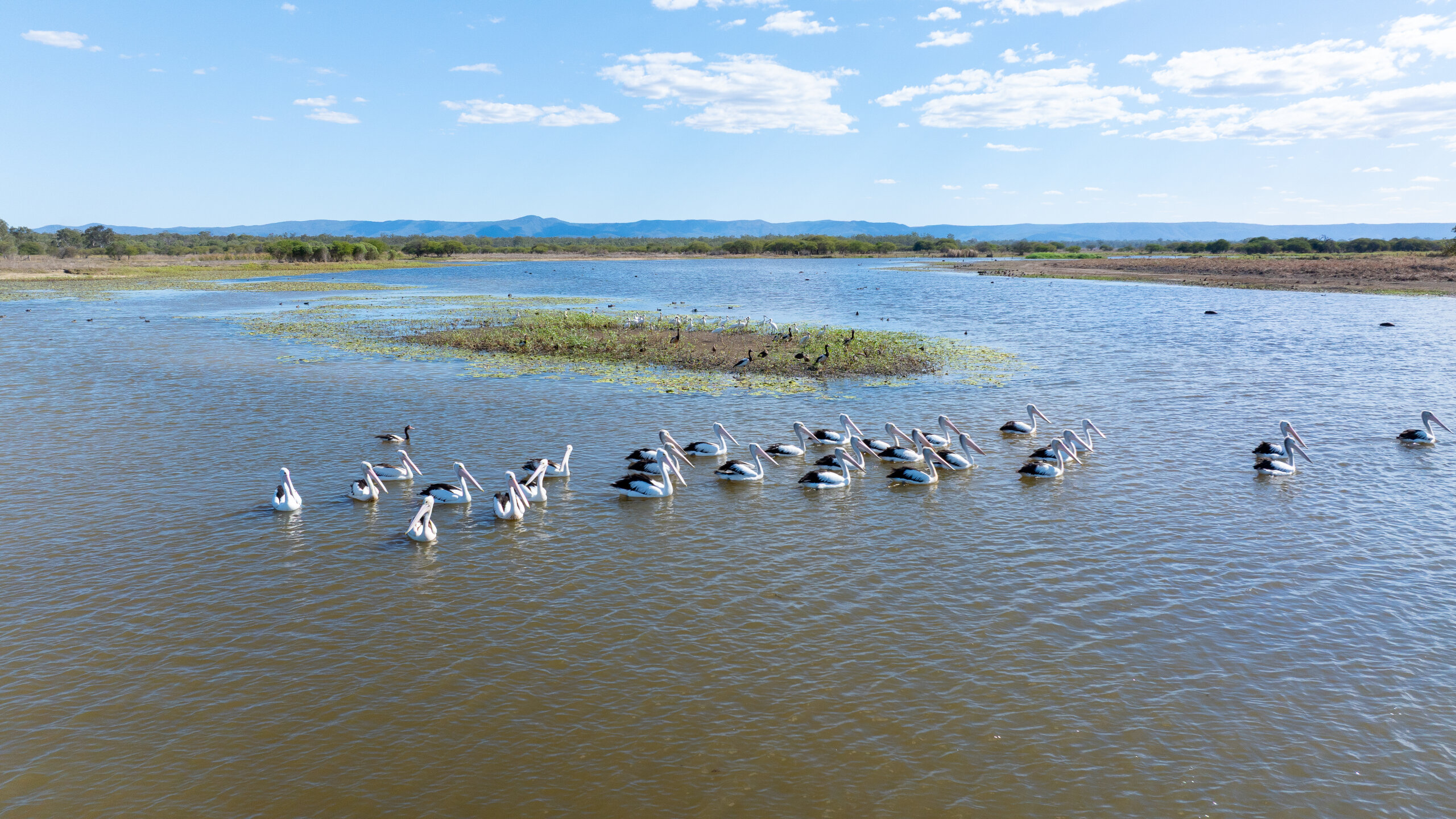
Across central Queensland’s wetlands, an abundance of birdlife finds shelter, food and breeding grounds in these sensitive ecosystems. Beneath the water’s surface, threatened turtles, dugongs and dolphins share these waters with an enormous diversity of fish.
These wetlands are part of a much bigger landscape, connecting freshwater systems and grazing properties with coastal environments and the waters of the Broad Sound.
Among them is the Shoalwater and Corio Bays Ramsar wetland, an area of international significance that meets eight of the nine Ramsar criteria. During summer, it supports more than 20,000 waterbirds, as well as internationally significant populations of several migratory shorebird species.
Protecting a landscape this large and connected takes more than one project or organisation. It takes people working together, sharing knowledge and taking practical action on the ground.
See what makes these wetlands special
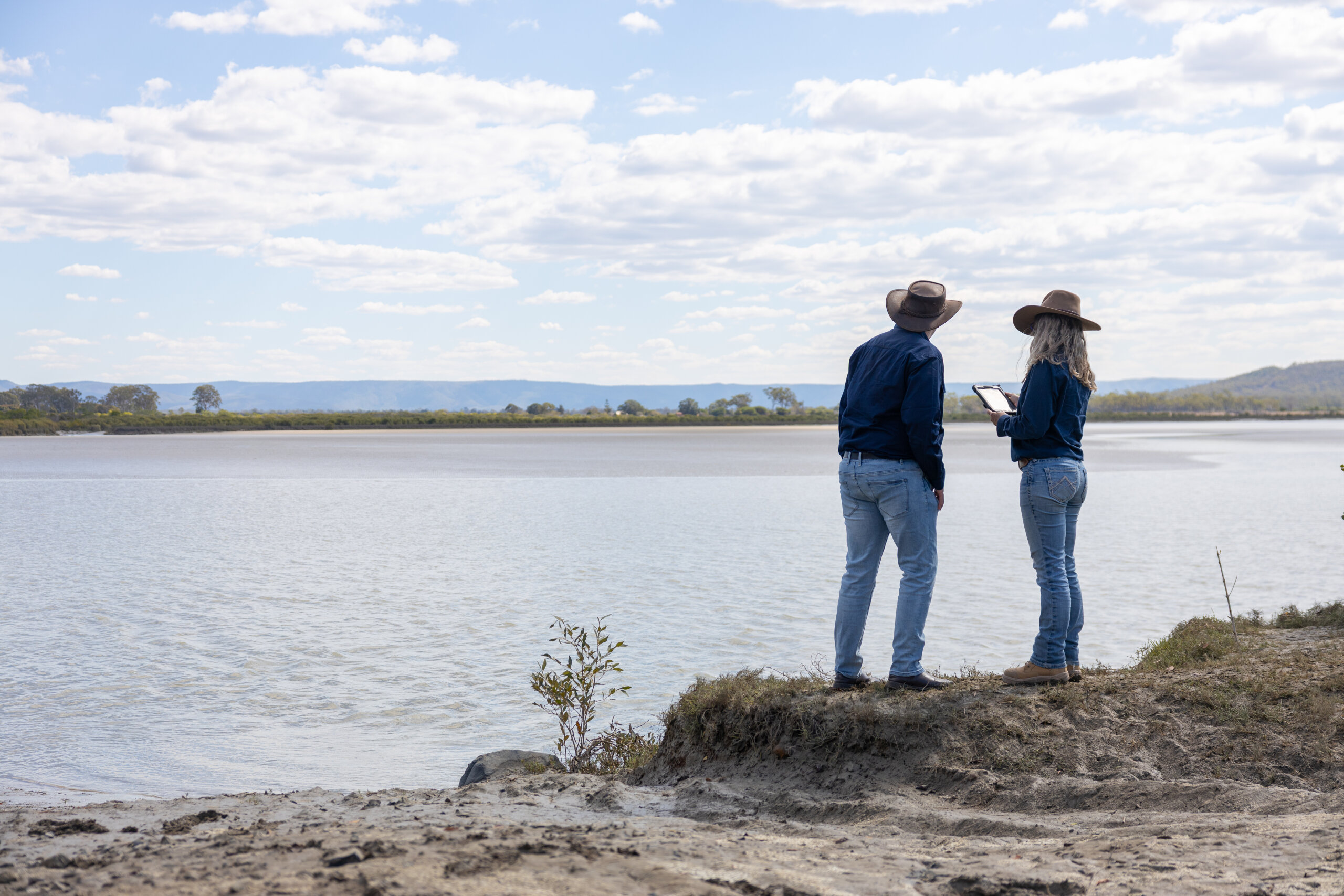
Join FBA Project Officer Jacob McLucas-Stokes and Waterway Coordinator Jodee Forbes as they explore why these wetlands matter, the pressures they face and the work underway to help protecting them.
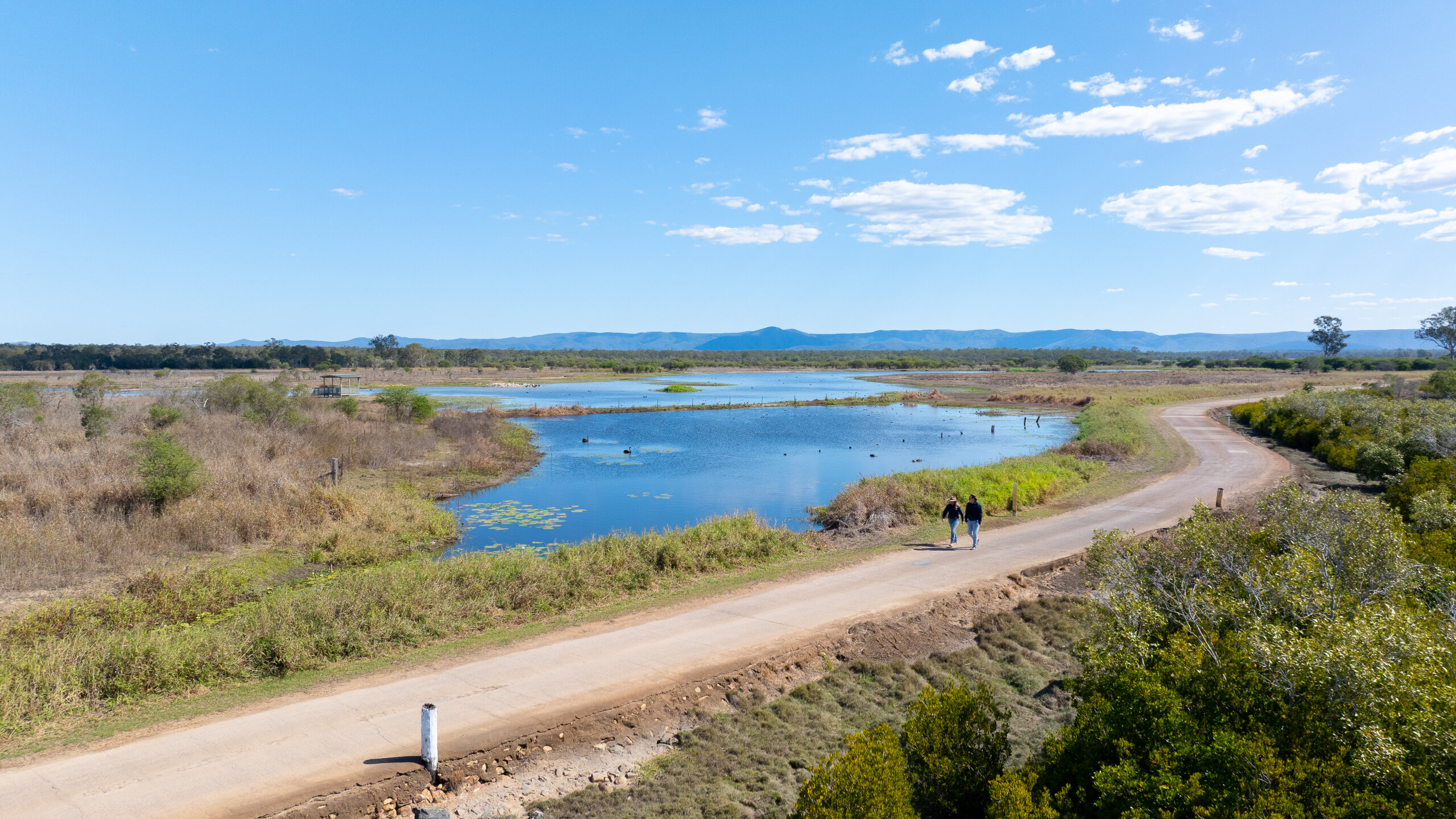
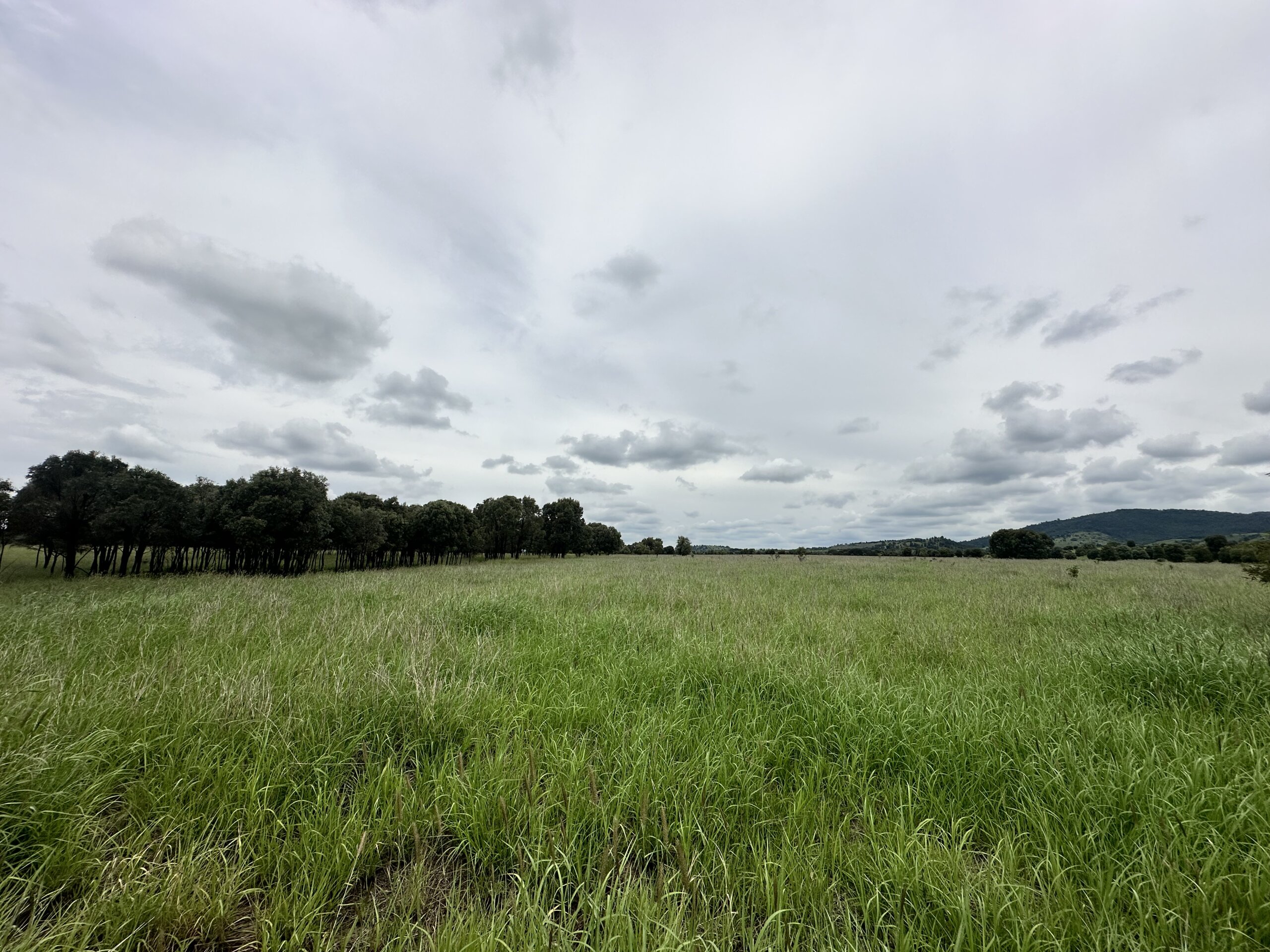
St Lawrence Wetlands.
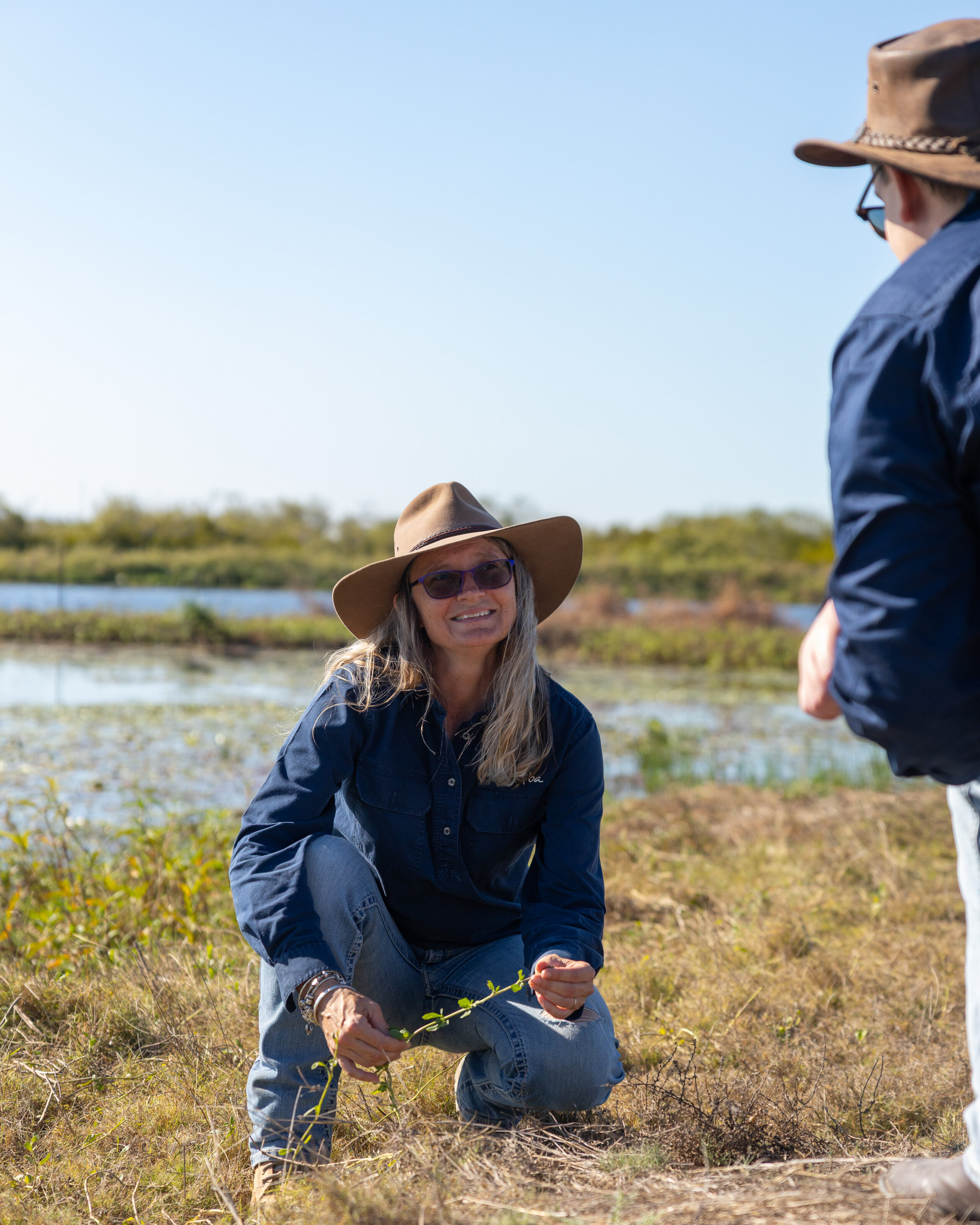
FBA Waterway Coordinator Jodee Forbes.
CARING FOR COUNTRY, ONE GENERATION TO THE NEXT
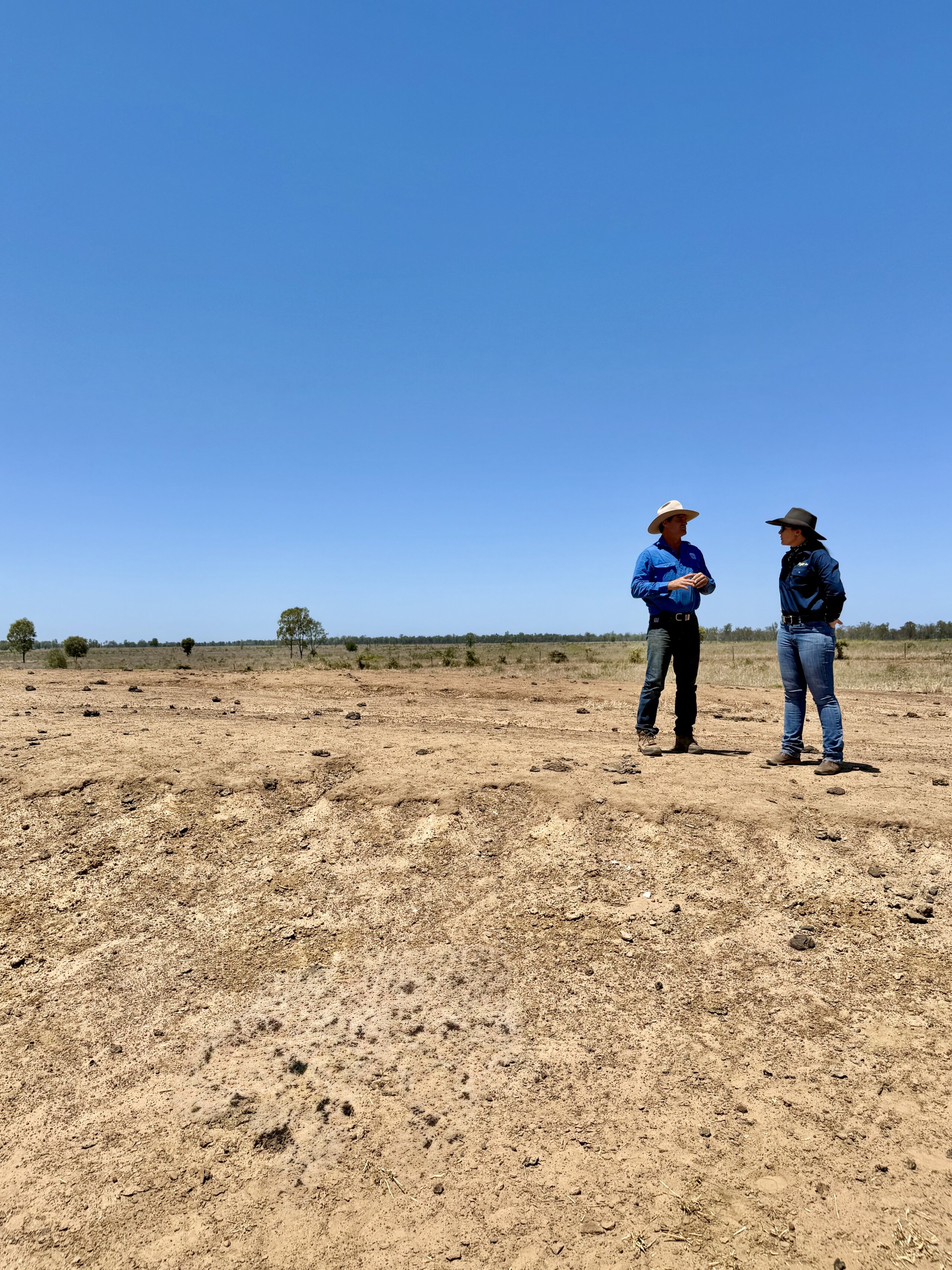
Fourth-generation graziers Craig and Latisha Mace see their role at Toorilla Plains near Stanage Bay as one of custodianship, caring for its marine plains for future generations.
“I don't feel like we own anything. We are just here to look after it, to make sure it is in a better state than when we came here,” Latisha said.
The Maces have worked with FBA for about 15 years through a range of initiatives, from riparian fencing and feral animal control to managing weeds.
Hear from Craig and Latisha
Discover the challenges they have faced, the changes they have seen across their property, their continued work with FBA and why they can’t take their foot off the pedal when it comes to looking after their land.
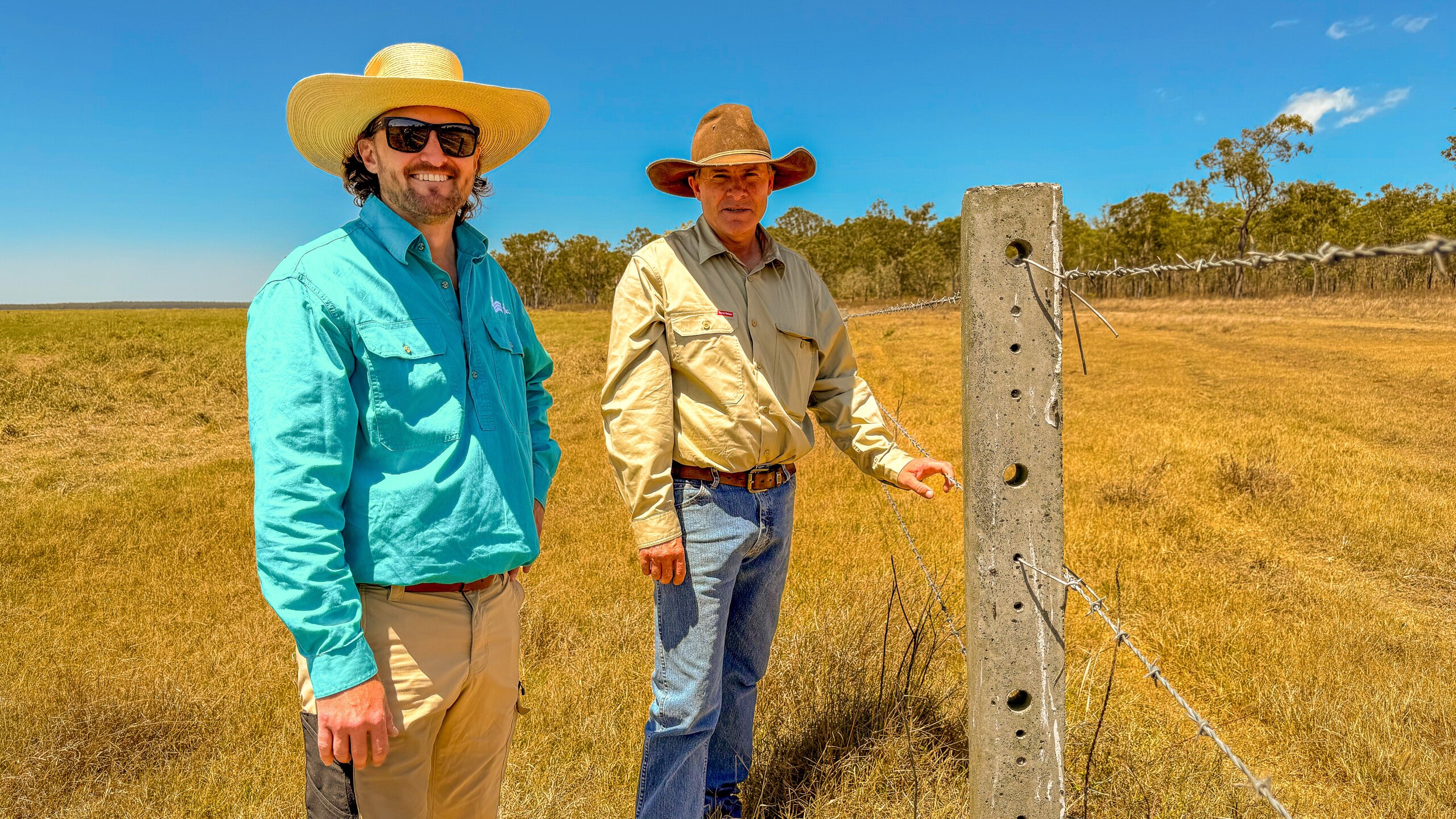
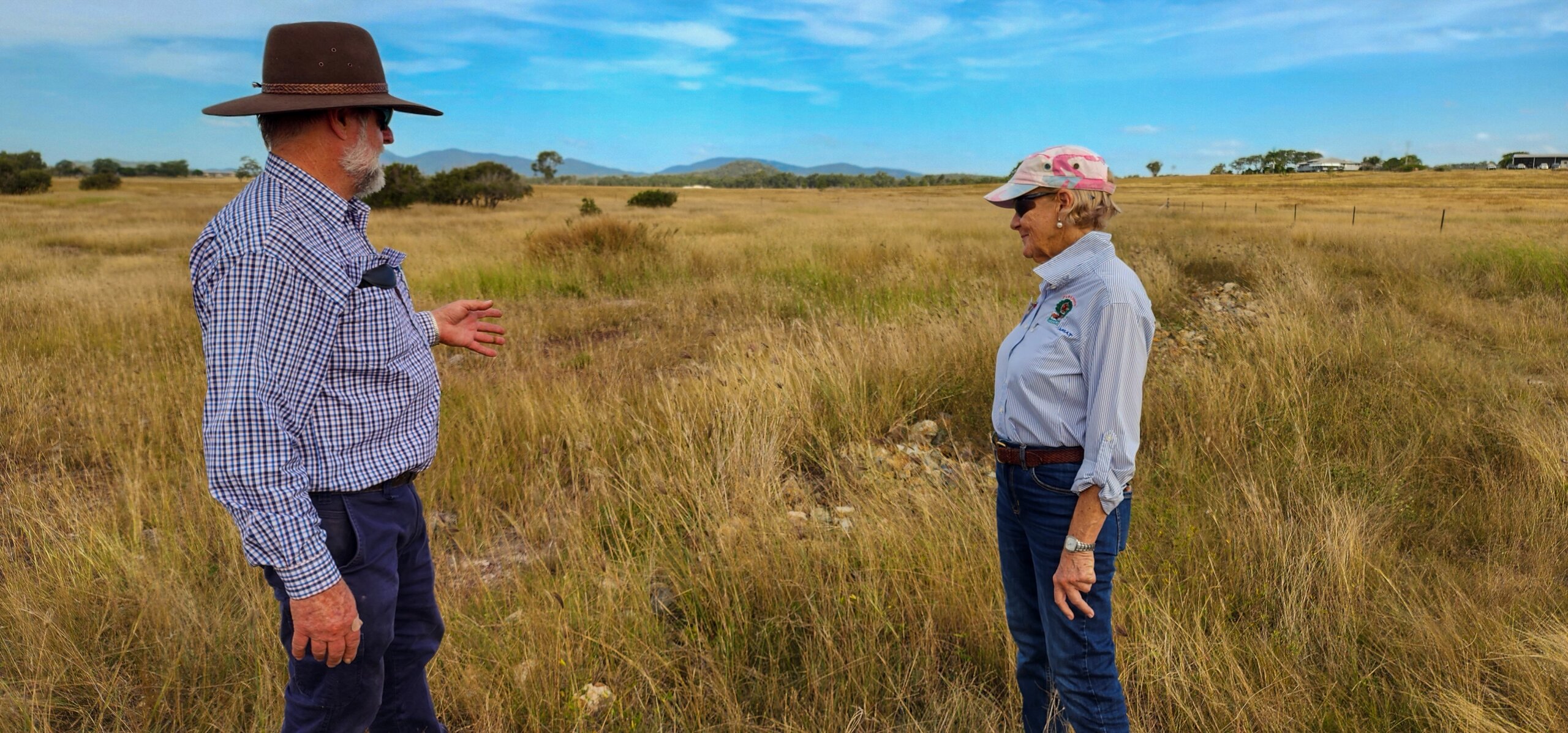
FBA Environment Leader Shannon van Nunen and Craig Mace.
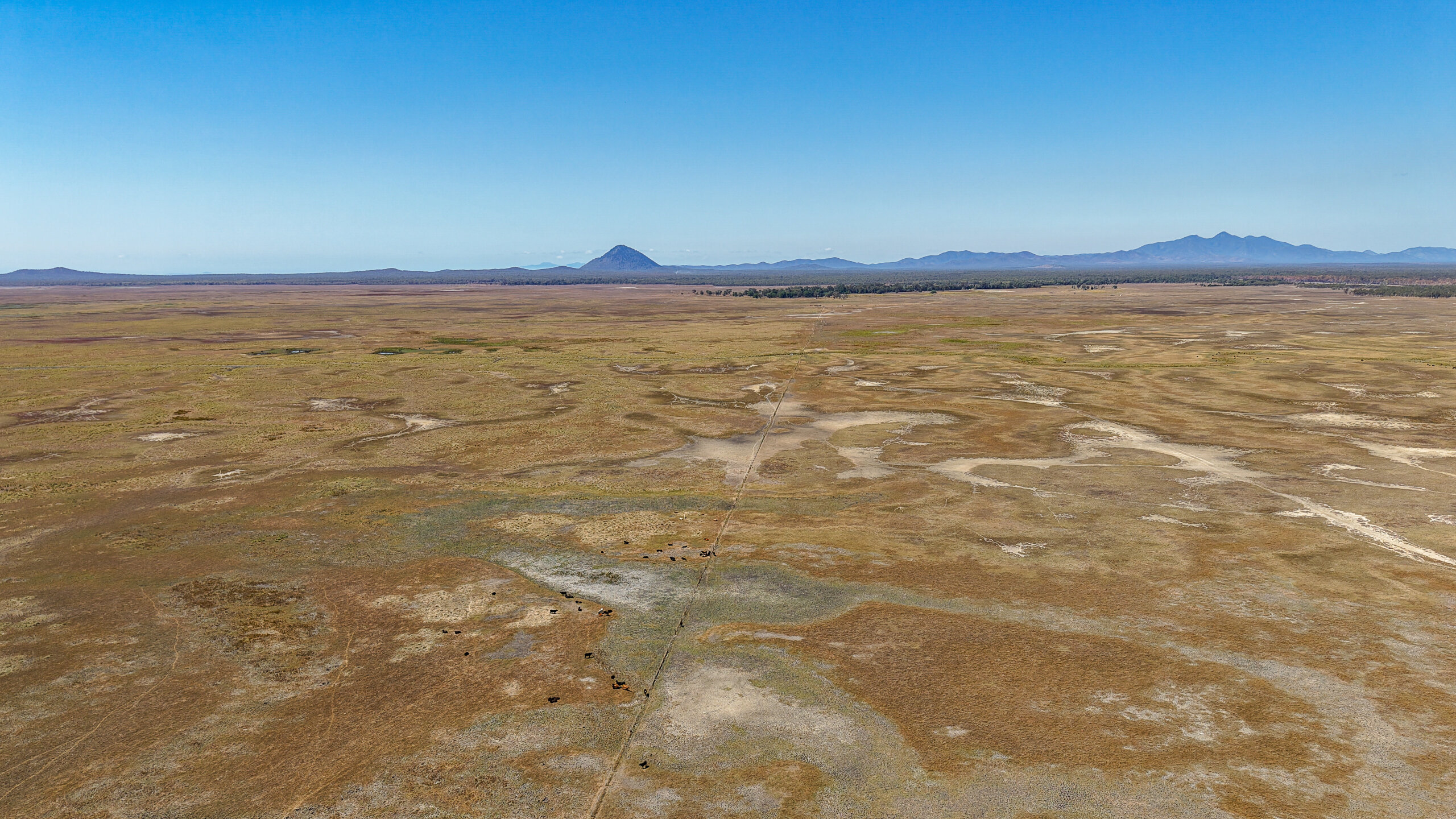
Toorilla Plains.
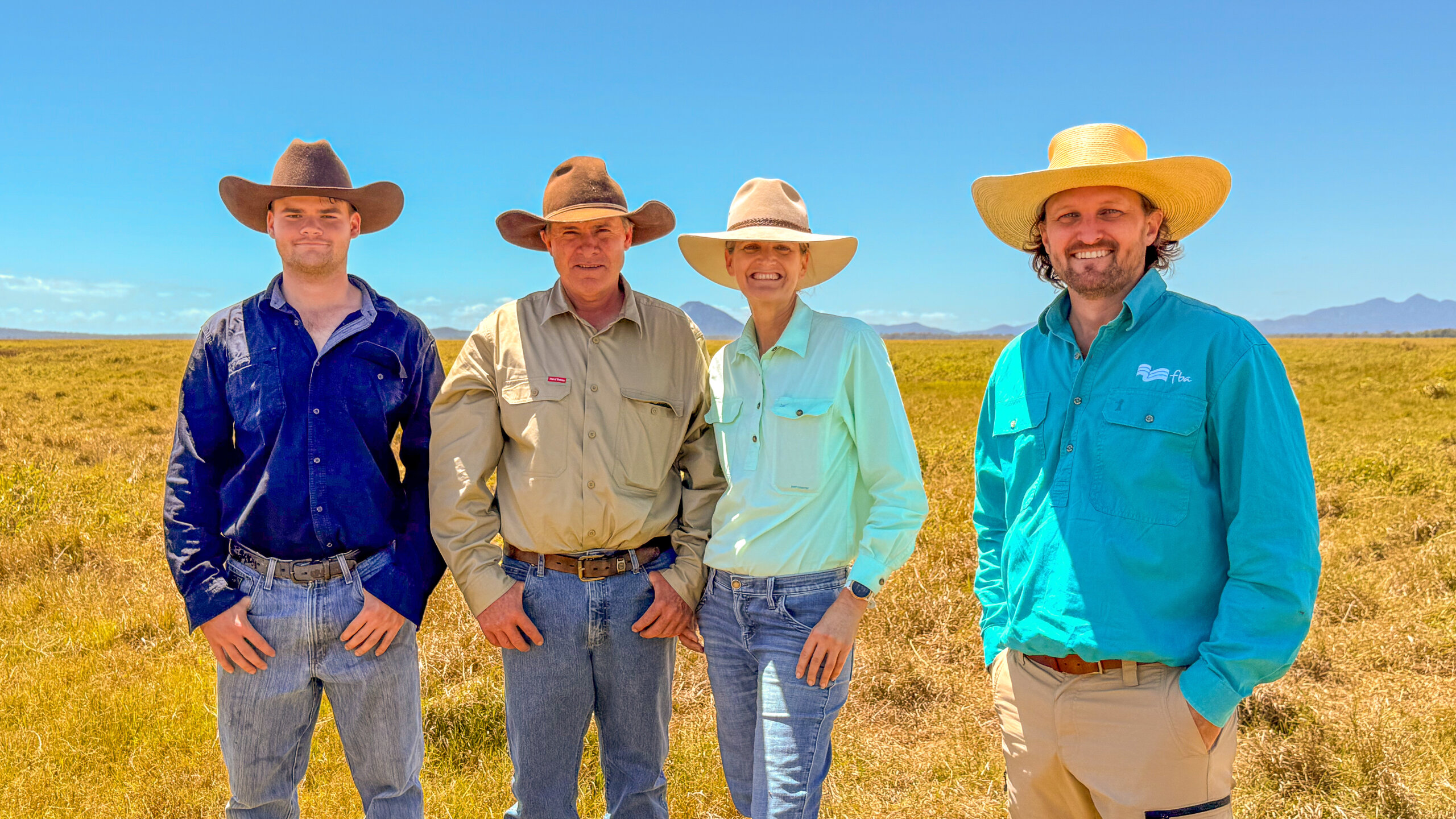
William, Craig and Latisha Mace and FBA Environment Leader Shannon van Nunen.
15 YEARS OF KNOWLEDGE: A NEW CHAPTER
When Environment Leader Shannon van Nunen first visited Craig and Latisha Mace at Toorilla Plains about 15 years ago, he was just beginning his career with FBA.
Today, that long-standing relationship is helping shape the next generation of FBA’s work.
Jacob is drawing on the knowledge shared between Shannon and the Maces while bringing new ideas and approaches to one of his first major projects with FBA.
“Craig and Latisha understand their country and how it has changed over time, and Shannon brings years of experience working with land managers in the Stanage Bay region,” Jacob said.
“We're taking what has worked, learned from challenges and opportunities over the years and combining that experience with new and innovative approaches.”
See how experience is shaping what comes next
Hear from Shannon and Jacob about where the relationship began, what they’ve learned along the way and why working alongside land managers is vital to protecting these wetlands.
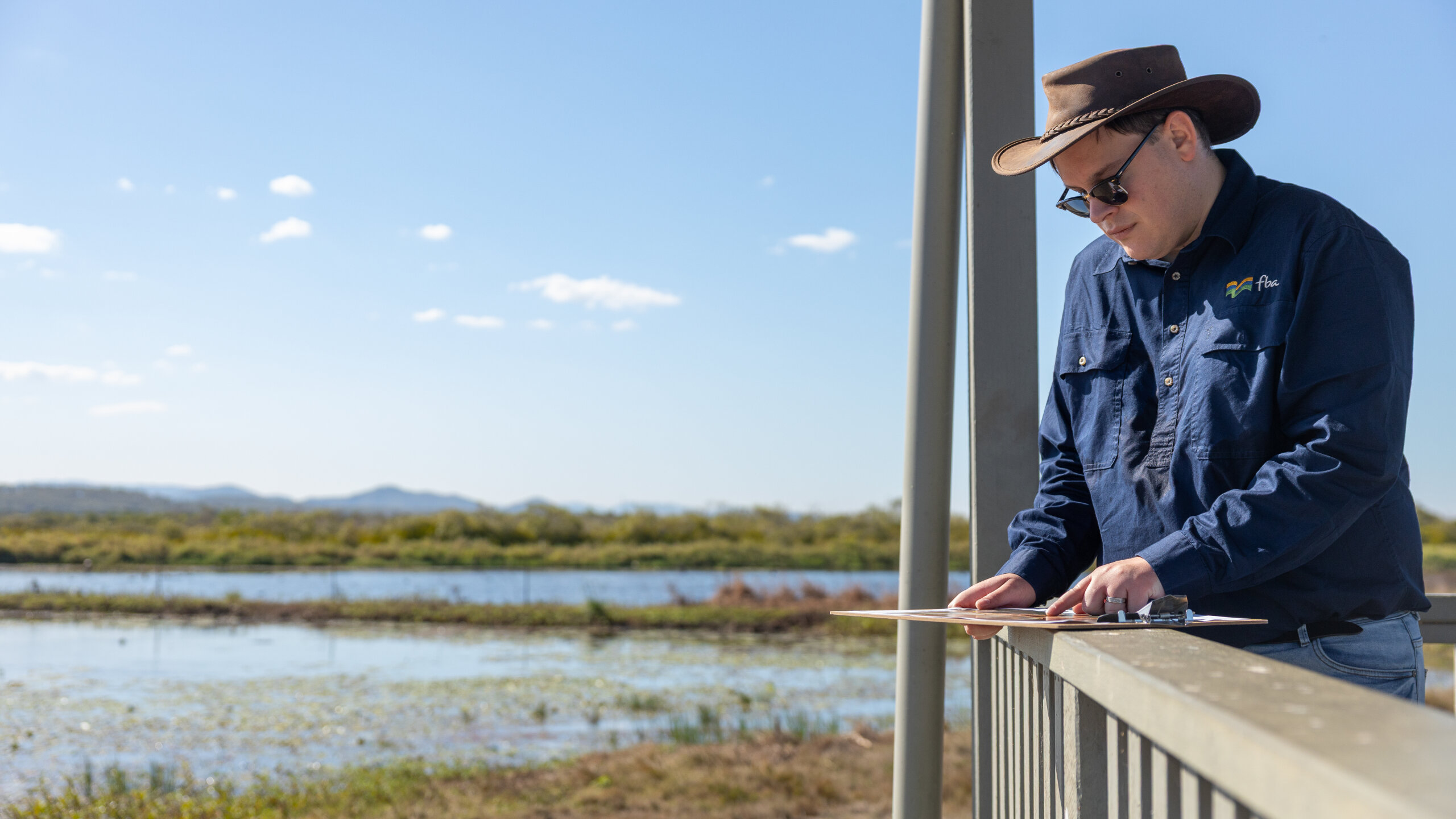
FBA Project Officer Jacob McLucas-Stokes.
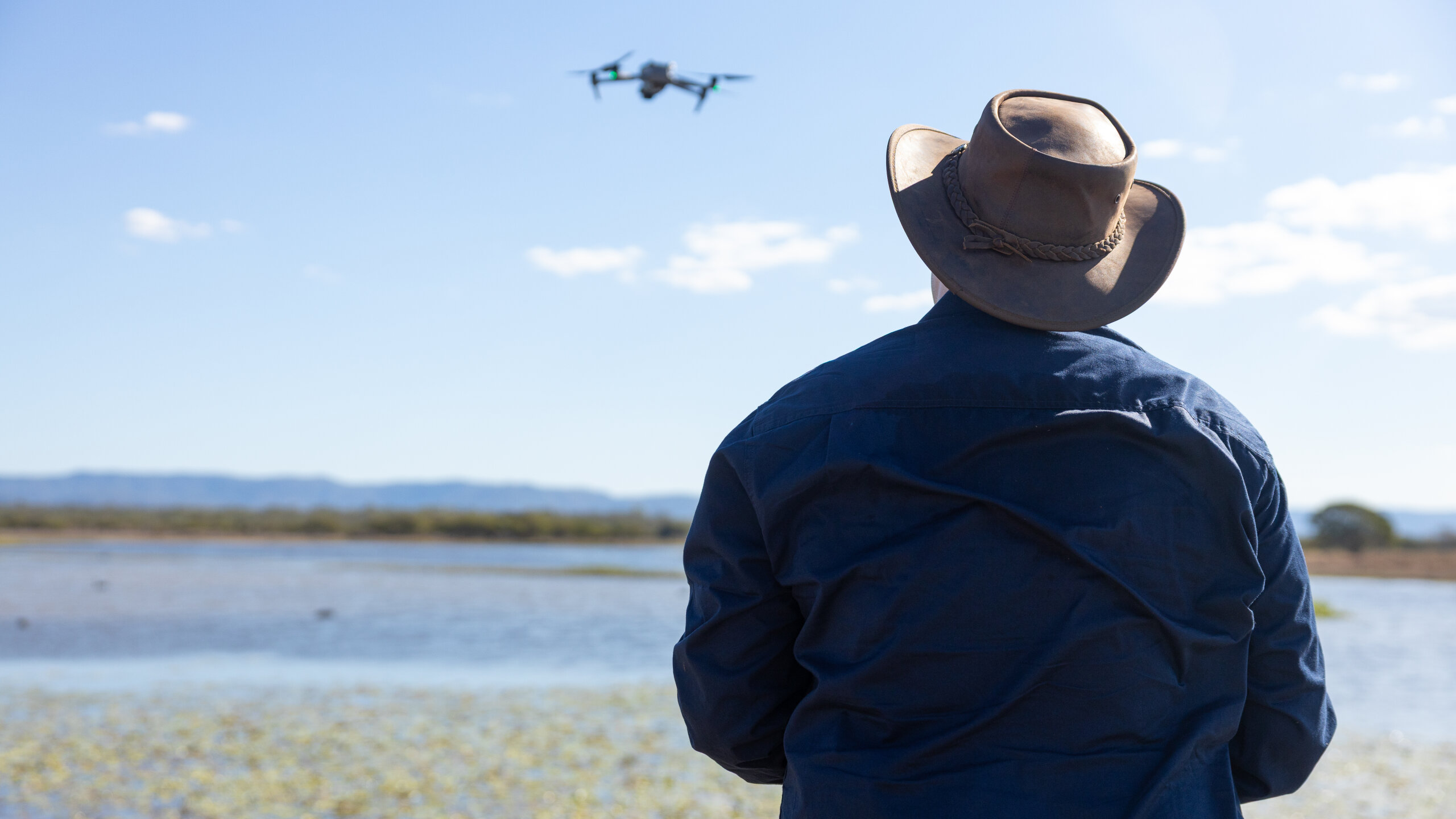
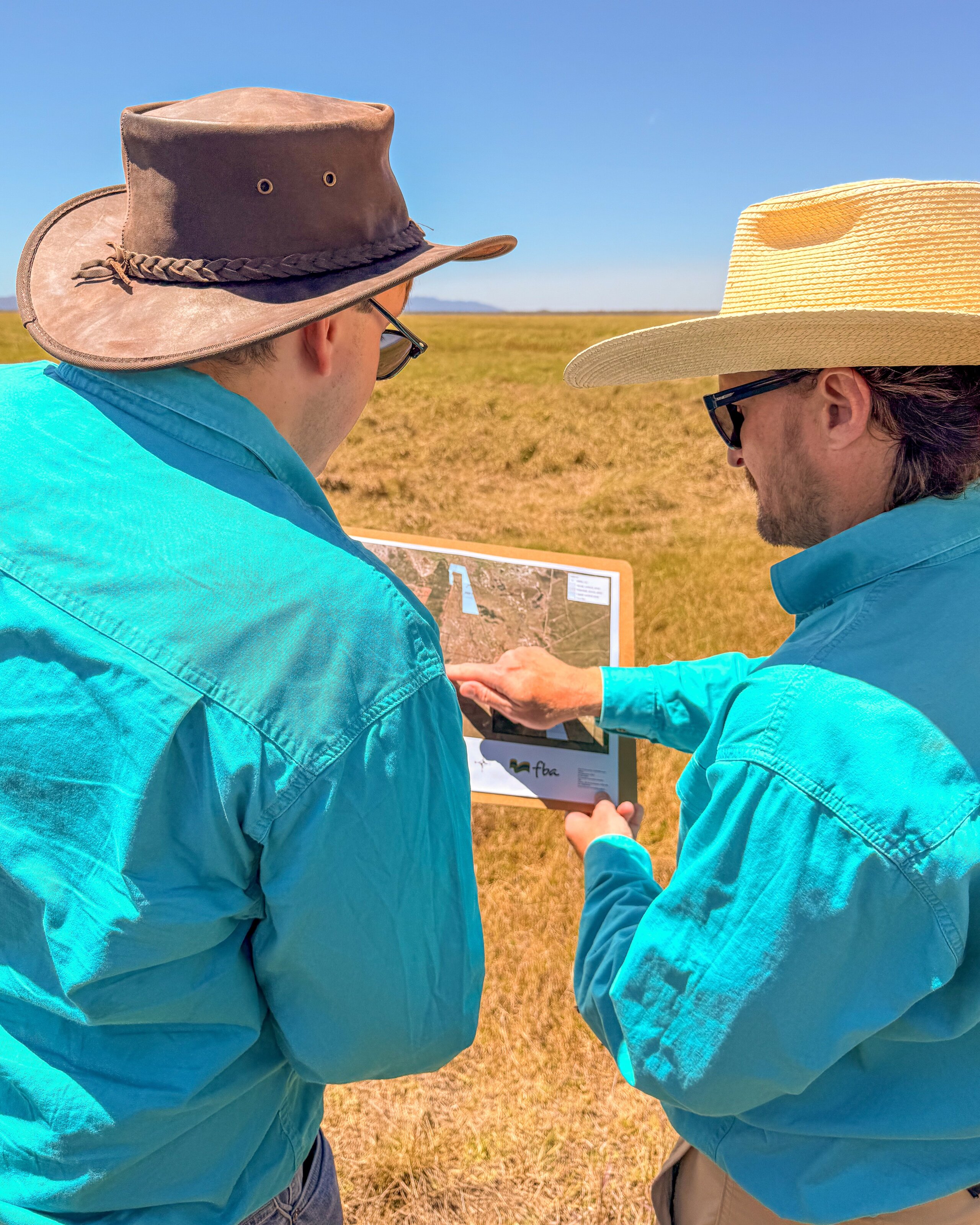
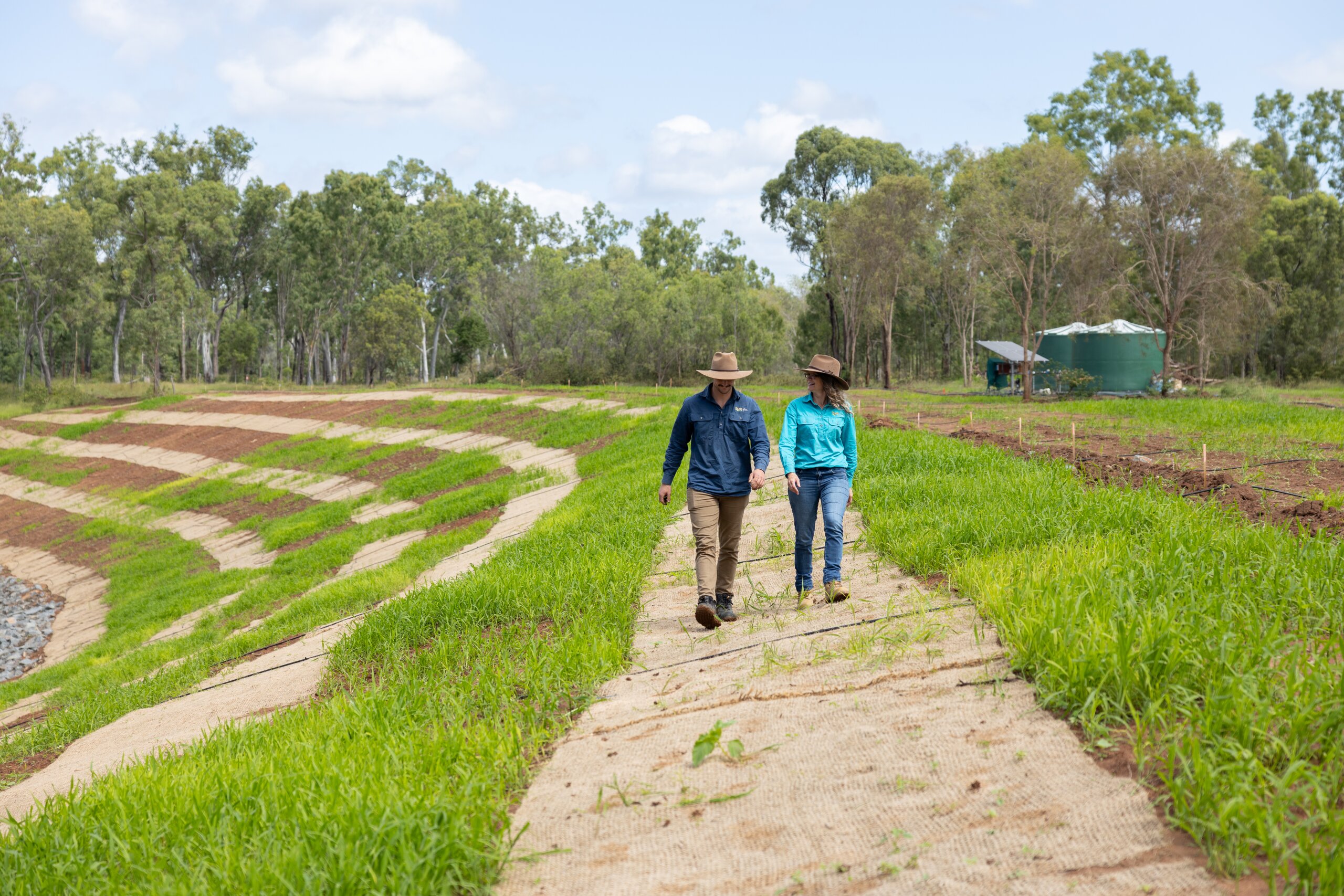
FBA Project Officer Jacob McLucas-Stokes and Environment Leader Shannon van Nunen.
Through this two-year initiative, FBA has worked alongside land managers, First Nations people, contractors, Livingstone Shire Council, Isaac Regional Council, and the Department of Defence to help care for these vital wetlands.
On-ground works involved removing 852 feral pigs across four properties, 1,395 feral deer across three properties, and a feral cat control project within Department of Defence land. Weed control has targeted lippia, prickly acacia and hymenachne across four properties and council-managed land. Other works have included managing stock access to wetlands and marine plains, constructing and remediating three fish passages and monitoring wildlife.
FBA also trialled GPS collars on feral pigs to better understand their movements across the Stanage Bay marine plains and inform future management efforts.
“Information captured from the GPS collars will help FBA better understand how feral pigs move through and use these landscapes, allowing FBA and land managers to make more informed decisions about feral pig management in the Stanage Bay area,” Jacob said.
“This will improve future control efforts and contribute to the long-term health and resilience of the Stanage Bay marine plains.”